


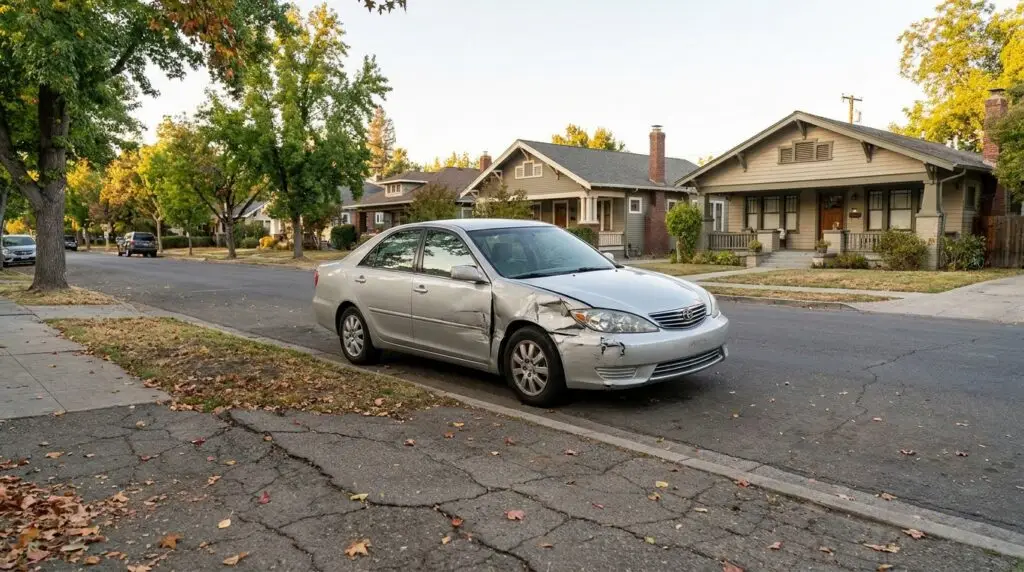
Protect Yourself Before Speaking With an Insurance Company After a Car Accident
The single most important thing a car accident victim in Los Angeles can do before talking to an insurer is to prepare. That means gathering evidence, understanding your rights under California law, and knowing that the insurance adjuster’s goal is to minimize what they pay you.
Too many accident victims pick up the phone before they are ready, and one misstatement can reduce or even eliminate deserved compensation. California follows a pure comparative fault system, established in Li v. Yellow Cab Co. (1975) and reflected in Civil Code §1714(a), which means your recovery is reduced proportionally to any fault assigned to you. A careless comment to an adjuster can shift the blame to you. Below, we walk through every step you should take before that first conversation with an insurer.
If you were hurt in a crash and need guidance now, Bisnar Chase is here to help. Call 800-561-4887 or contact us today for a free consultation.
Why Insurance Adjusters Are Not on Your Side
Insurance adjusters work for the insurance company, not for you. They measure their job performance, in part, by how effectively they control claim payouts. When an adjuster calls you days after a crash, they may sound friendly and concerned, but every question they ask is designed to build a file that supports the lowest possible settlement.
Common tactics include requesting recorded statements early, broad medical authorizations, and pressing you to describe injuries before you have a full diagnosis.
Anything you say during that call can become part of the claim record. If you mention that you feel “okay” or “not too bad,” that phrase may appear later to argue your injuries are minor. This is why car accident victims should have a plan before engaging with any insurer.
💡 Pro Tip: You are not legally required to give a recorded statement to the other driver’s insurance company. Politely decline until you have spoken with an attorney.
Gather and Preserve Your Evidence First
Strong evidence is the foundation of every successful car accident claim. Before you speak with anyone from an insurance company, collect and organize the documentation that supports your case. Key evidence includes:
- Photos of the accident scene and your injuries
- Dashcam video footage
- Medical bills and doctor reports
- Witness statements and contact information
- The official police report
- Records of any time missed from work
Preserving this evidence early protects you from disputes later. Medical records tie your injuries to the crash. Witness statements corroborate your version of events. Photos capture conditions that change quickly, like skid marks, debris, and vehicle damage.
💡 Pro Tip: Use your phone to photograph everything at the scene, including traffic signals, road conditions, and vehicle positions. Even minor details can become important during negotiations.
Understand What Compensation You May Be Entitled To
California law allows car accident victims to seek compensation across several categories of loss. Understanding your potential losses helps you assess any offer an insurer makes and identify when they are undervaluing your claim. Damages in a personal injury case generally include medical bills, lost wages, ongoing treatment, emotional harm, and future problems caused by the injury.
The table below outlines the three primary types of compensation available to car accident victims in California:
| Compensation Type | What It Covers |
|---|---|
| Medical Expenses | Emergency care, surgeries, rehabilitation, prescriptions, and future medical needs related to the injury |
| Pain and Suffering | Physical pain, emotional distress, loss of enjoyment of life, and psychological impact |
| Lost Wages | Income lost during recovery, diminished earning capacity, and missed career opportunities |
Your own insurance may also cover certain costs. If you carry medical payments coverage or uninsured/underinsured motorist coverage, your policy may pay some expenses without needing to file a lawsuit. Review your policy or ask your own insurer what benefits are available before engaging with the at-fault party’s carrier.
Check Your Own Policy Before Filing a Third-Party Claim
Many accident victims overlook their own insurance coverage. Your policy may reimburse medical costs or vehicle repairs regardless of fault, which can relieve financial pressure while your claim against the other driver is pending. Understanding what your insurer will cover also helps you calculate the remaining damages you need to pursue from the at-fault party.
💡 Pro Tip: Keep a dedicated folder with every document related to your accident. Organized records make it easier for your attorney to build a strong case.
Know Your Deadlines: California’s Statute of Limitations
Time limits matter, and missing them can permanently bar your claim. Under California law, the statute of limitations for personal injury is generally two years from the date of injury under Code of Civil Procedure §335.1. Property damage claims carry a three-year deadline under Code of Civil Procedure §338(c). These windows may seem long, but building a solid case takes time, and insurers sometimes stall negotiations hoping you will miss a filing deadline.
Discovery Rule and Late-Appearing Injuries
Not every injury shows up immediately after a crash. In limited circumstances, if a problem was discovered later, the statute of limitations may begin from the date the injury was discovered or should reasonably have been discovered. Courts interpret this exception narrowly, so do not assume it will apply without consulting an attorney.
Claims Against Government Agencies
If a government vehicle or employee caused the accident, different rules apply. Claims against government agencies in California require you to submit an administrative claim to the relevant agency within six months of the incident under Government Code §911.2. Failing to follow this separate process can prevent you from filing a lawsuit at all, regardless of how strong your case may be.
💡 Pro Tip: Do not let an insurance adjuster’s delay tactics eat into your filing window. Mark your statute of limitations deadline on a calendar the day of your accident.
How California’s Comparative Fault Rule Affects Your Claim
Even if you were partially at fault, you may still recover compensation. Under California Civil Code §1714(a), everyone is responsible for injuries caused by their willful acts or lack of ordinary care. California’s pure comparative fault system means your damages are reduced by your percentage of responsibility, but not eliminated. For example, if you are found 20 percent at fault, you can still recover 80 percent of your total damages.
This is exactly why talking to insurers without preparation is risky. Adjusters may ask leading questions designed to get you to admit some level of fault. Under California Civil Code §1714, even a small admission can reduce your compensation by thousands of dollars. Every word matters.
When You Need a Car Accident Attorney in Los Angeles
A lawyer can help with any car accident claim, but legal representation becomes particularly important in certain situations. You should strongly consider hiring an attorney if the injury is severe or long-term, the potential damages are large, fault is disputed, or multiple parties may share responsibility. Truck accidents, rideshare collisions, and crashes involving commercial vehicles often create complex insurance and liability issues that are difficult to navigate alone.
Car accident victims across Los Angeles and Orange County face aggressive tactics from well-funded insurance companies every day. An experienced car accident attorney in Los Angeles can handle communications with insurers on your behalf, ensuring you do not inadvertently hurt your case. They can also identify all potentially liable parties and pursue full compensation across every available category of damages.
What Happens After You Hire a Lawyer
Once you retain counsel, your attorney becomes the point of contact for all insurance communications. This immediately removes the pressure of fielding calls from adjusters. Your lawyer will review the evidence, calculate the full value of your claim, and negotiate from a position of strength. To understand more about the process, learn what happens during an insurance investigation after a car accident in Los Angeles.
💡 Pro Tip: Write down everything you remember about the accident as soon as possible, including the sequence of events, weather, road conditions, and anything the other driver said. Memory fades quickly.
Frequently Asked Questions
1. Do I have to talk to the other driver’s insurance company after a car accident in California?
No, you are not legally obligated to speak with the at-fault driver’s insurer. You do need to cooperate with your own insurance company under your policy terms, but you can decline to give a statement to the other party’s adjuster. Many attorneys recommend letting legal counsel handle those communications.
2. How long do I have to file a car accident injury claim in California?
The general statute of limitations for personal injury claims in California is two years from the date of injury. Property damage claims have a three-year window. However, claims against government entities have shorter deadlines and require a separate administrative claim process. Consult an attorney promptly to confirm which deadlines apply to your case.
3. Can I still get compensation if I was partly at fault for the accident?
Yes. California’s pure comparative fault rule allows you to recover damages even if you share some responsibility. Your total compensation is reduced by your percentage of fault. Because of this system, avoid making statements to insurers that could assign you a greater share of blame than you deserve.
4. What should I avoid saying to an insurance adjuster?
Avoid admitting fault, minimizing your injuries, or speculating about what happened. Phrases like “I’m fine” or “it was partly my fault” can significantly damage your claim. Stick to basic facts if you must speak with an adjuster, and avoid giving a recorded statement without legal guidance.
Take the Right Steps Now to Protect Your Car Accident Claim
Preparation is the most powerful tool a car accident victim has before engaging with an insurance company. Gathering evidence, understanding California’s comparative fault rules, knowing your filing deadlines, and recognizing insurer tactics all put you in a stronger position to pursue the compensation you deserve. An attorney can evaluate your claim and advise you on the steps that make sense for your circumstances.
- Related: How to identify and find the best personal injury attorney for your case.
- Related: Should Injured Drivers Seek Medical Care After a Newport Beach Crash?
Contact Bisnar Chase today. Call 800-561-4887 or reach out to our team online for a free consultation.