


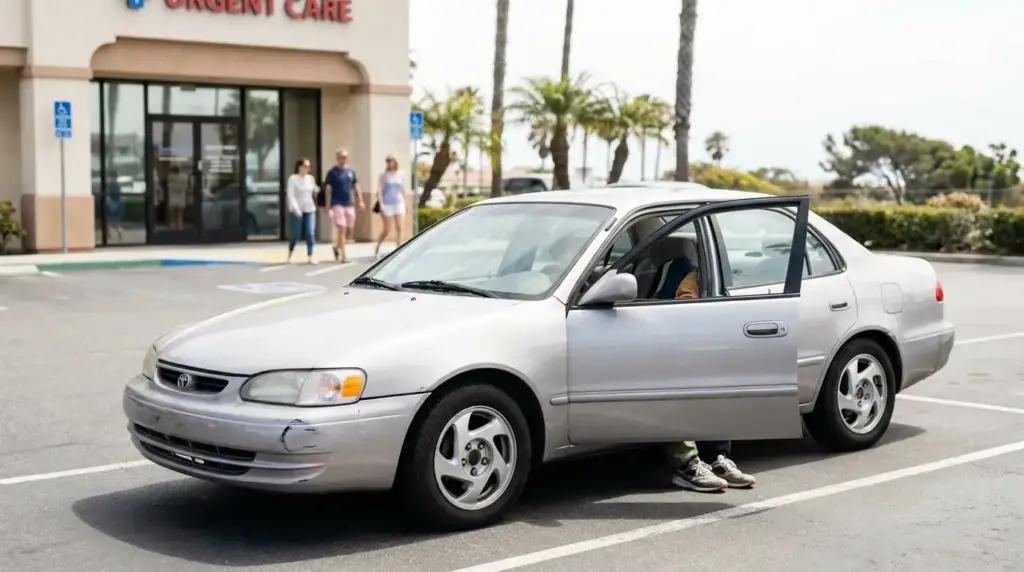
Why Prompt Medical Care Matters More Than You Think After a Crash
Key Takeaways: Injured drivers in Newport Beach should seek medical care immediately to protect both health and legal claims. Crash adrenaline masks serious harm, and injuries like whiplash, concussions, or internal damage often surface hours or days later. Early medical records document the link between collisions and injuries, essential for proving damages under California law.
Delaying care triggers comparative-fault arguments that you failed to mitigate damages, potentially reducing recovery. California allows two years to file personal injury lawsuits and requires written accident reports within 24 hours for injury crashes. Combined with timely reporting and awareness of filing deadlines, prompt medical care positions injured drivers strongly for fair compensation.
Yes, injured drivers should seek medical care immediately after a Newport Beach crash, and the reasons extend beyond health alone. Getting evaluated protects your recovery, documents the link between the collision and injuries, and strengthens any future car accident claim in California. Even when you feel fine at the scene, crash adrenaline masks serious harm, and conditions often surface hours or days later. At Bisnar Chase, our Newport Beach personal injury lawyers have seen how a single medical visit can shape the entire trajectory of a case.
If you or a loved one was hurt in a collision, protect your rights immediately. Contact Bisnar Chase today, call 800-561-4887, or reach out through our online consultation form to speak with an attorney about your options.
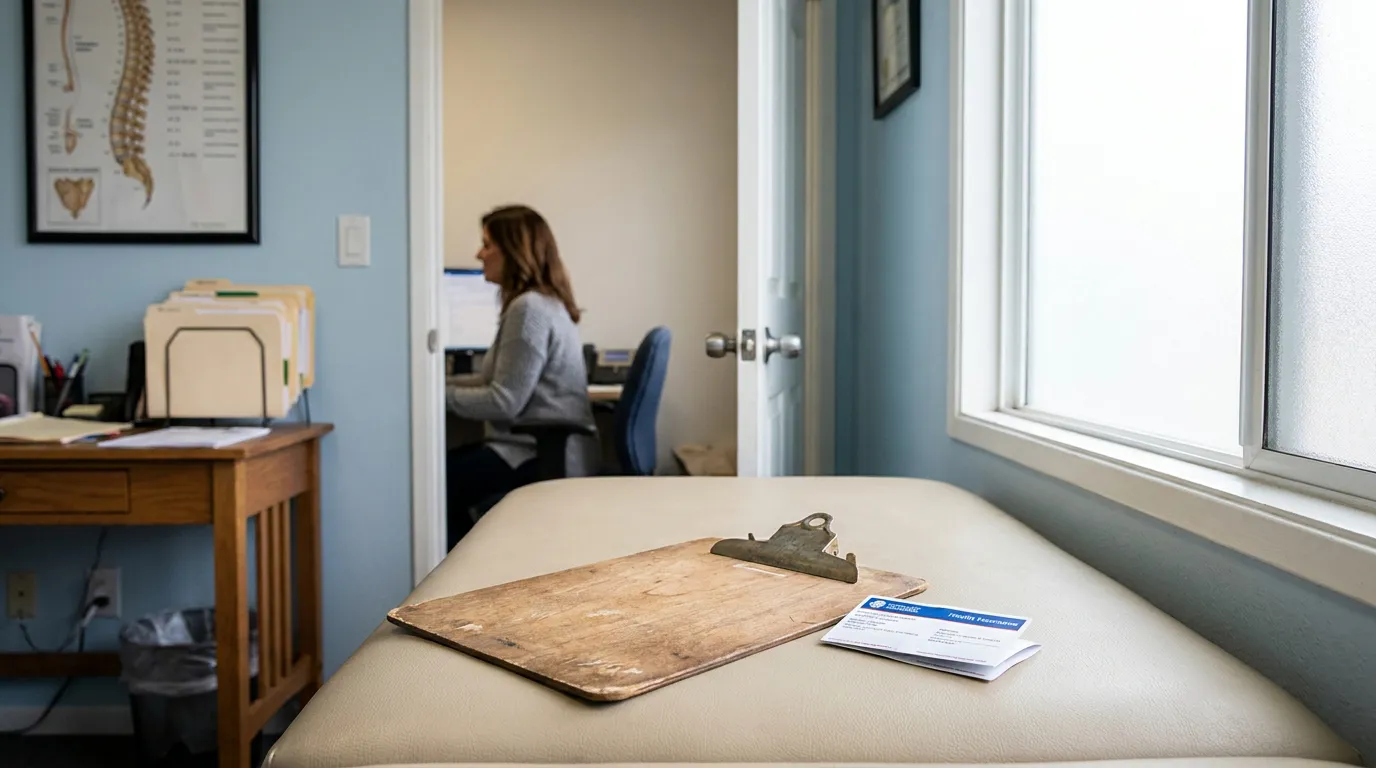
The Short Answer: Get Evaluated, Even If You Feel Okay
Seeking prompt medical attention is essential after any collision. Many crash victims decline treatment at the scene because they feel no immediate pain, only to discover significant injuries later. California law says that medical care is a key part of how to respond to an accident. The driver involved in an accident must render reasonable assistance to any injured person, including arranging transportation to a physician or hospital if treatment is necessary or requested, under California Vehicle Code § 20003(a).
The law further prioritizes medical response. Peace officers, firefighters, California Highway Patrol members, and Department of Transportation employees are authorized to transport or arrange transportation of injured crash victims to a physician or hospital, unless the injured person objects, under California Vehicle Code § 20016.
💡 Pro Tip: Ask the treating provider to document every symptom you mention, even minor aches. A complete record from your first visit is far more persuasive than symptoms you report weeks later.
What to Do After a Car Accident in NB California
Knowing what to do after a car accident in California protects both health and legal claims. The moments and days following a crash are critical. Taking the right steps preserves evidence while memory is fresh. Below is a general roadmap, though every situation is different and outcomes depend on specific facts.
- Seek medical care first. Prioritize evaluation by a medical professional, even for seemingly minor discomfort.
- Report the accident. After accidents resulting in injury or death, the driver must file a written report to the California Highway Patrol or, if the accident occurred within a city, to the CHP or city police within 24 hours, under California Vehicle Code § 20008(a).
- Preserve evidence. Keep all documentation related to injuries, including bills, photographs, and records.
- Contact your insurer promptly. Notifying your insurance company early is expected under most policies.
- Consult an attorney. Speaking with a lawyer helps you understand deadlines and protect your claim.
For a deeper walkthrough, our guide on what should be done after a car accident in Orange County offers additional practical detail.
Delayed Injury Symptoms You Should Never Ignore
Some of the most serious crash injuries don’t announce themselves right away. Whiplash after a car accident is a classic example, often producing neck stiffness, headaches, or dizziness that appear a day or more after impact. Soft-tissue damage, concussions, and internal injuries can also develop gradually. This is why delayed injury symptoms deserve immediate professional attention rather than a wait-and-see approach.
Prompt evaluation also matters for legal timing. Under California’s discovery rule, if an injury wasn’t discovered immediately, the statute of limitations generally starts from the date the problem was discovered or reasonably should have been discovered. Courts interpret this exception narrowly, so it shouldn’t be treated as an automatic extension. Prompt medical evaluation reduces uncertainty about when your injury was, or should have been, discovered.
💡 Pro Tip: If new symptoms appear days after your crash, return to a doctor and specifically note they followed the collision. This creates a documented timeline that supports causation.
How Medical Records Strengthen Your Car Accident Claim in California
Medical records are among the most compelling forms of injury documentation after a crash. In California, injured plaintiffs can seek compensation for medical bills, lost wages, emotional harm, or other losses from the injury. Proving those losses requires evidence, and medical documentation provides exactly that. Some damages, like medical costs, are easy to prove with bills, while intangible harms such as emotional distress are harder to measure, making concrete records especially valuable.
The legal foundation for holding an at-fault driver responsible rests on the duty of ordinary care. Under California Civil Code § 1714(a), everyone is responsible not only for willful acts, but also for injuries caused by want of ordinary care or skill in managing property or person. You can review this general duty of care statute through California’s legislative database. Proving that another driver breached this duty and caused your documented injuries is the core of most car accident claims in California.
The Comparative-Fault Trap: Failing to Mitigate Damages
California’s comparative-fault principle can reduce what you recover if you contribute to your own harm. Civil Code § 1714(a) limits liability except so far as the injured party has, willfully or by want of ordinary care, brought the injury upon himself or herself. In practice, insurers may argue that delaying or refusing medical treatment constitutes a failure to mitigate damages, potentially reducing your recovery.
This is where prompt care becomes both a medical and strategic decision. California follows pure comparative negligence, meaning an injured person may still recover even if partially at fault, though recovery is reduced by their percentage of fault. Seeking treatment early helps counter arguments that you worsened your own condition.
💡 Pro Tip: Follow your doctor’s treatment plan and attend follow-up appointments. Gaps in treatment are frequently used by insurers to question injury seriousness.
California Legal Deadlines Every Injured Driver Should Know
California generally gives injured people a two-year window to file a personal injury lawsuit. According to the California Courts Self-Help Guide, the deadline for personal injury claims is 2 years from the injury. You can find most statutes of limitations in California Code of Civil Procedure sections 312 through 366. If you intend to sue a government agency, you generally must first file an administrative claim within six months of the injury through a separate process.
Certain limited circumstances may pause, or “toll,” these deadlines. Tolling may happen when the person bringing the case is a minor, and the clock generally resumes once that reason ends, such as when the individual turns 18. These exceptions are interpreted narrowly and don’t apply automatically, so no injured driver should assume extra time exists without confirming with an attorney.
| Deadline Type | General Timeframe | Notes |
|---|---|---|
| Personal injury lawsuit | 2 years from injury | Subject to exceptions |
| Written accident report to CHP/police | Within 24 hours | For accidents with injury or death |
| Government agency claim | Generally 6 months to file a claim | Separate administrative process |
Insurance Minimums and Your Financial Recovery
Understanding California’s insurance minimums helps set realistic expectations about available funds. For any policy issued or renewed on or after January 1, 2025, if an accident results in bodily injury or death, coverage must be at least thirty thousand dollars for bodily injury to or death of one person in any one accident, and not less than sixty thousand dollars for two or more persons in any one accident, under California Vehicle Code § 16056(a)(2). These figures are minimums, and higher-limit or commercial policies may apply in certain crashes.
Because insurance funds can be limited, thorough documentation matters even more. Well-supported medical records help demonstrate the full extent of losses when negotiating with insurers. If you were injured through no fault of your own, working with an experienced Orange County car accident attorney can help you understand available coverage and pursue fair compensation.
Frequently Asked Questions
How soon should I see a doctor after a Newport Beach car accident?
As soon as possible, ideally the same day. Prompt evaluation protects your health and creates documentation linking the crash to your injuries. Delayed symptoms like whiplash are common, and early records support car accident claims in California.
Can refusing medical treatment hurt my claim?
It can. Insurers may argue that declining or delaying care amounts to failure to mitigate damages, which under California’s comparative-fault principle could reduce your recovery. Weight depends on specific case facts.
What if my injury symptoms appeared days later?
You may still have a valid claim. Under the discovery rule, the statute of limitations can begin when an injury was discovered or reasonably should have been discovered. Courts apply this narrowly, so prompt medical care remains important.
How long do I have to file a car accident lawsuit in California?
Generally, two years from the date of injury. Claims against government agencies generally require filing an administrative claim within six months through a separate process. Exceptions exist but are interpreted narrowly.
Do I have to report my Newport Beach car accident?
In many cases, yes. After accidents causing injury or death, drivers must file a written report with the CHP or local police within 24 hours under Vehicle Code § 20008(a).
Protecting Your Health and Your Claim Go Hand in Hand
Seeking prompt medical care after a Newport Beach crash is both a health priority and legal safeguard. Early treatment addresses hidden injuries, creates documentation proving damages, and helps counter insurer arguments about comparative fault or failure to mitigate. When combined with timely accident reporting and awareness of California’s filing deadlines, prompt care positions injured drivers to pursue a fair recovery.
If you were hurt in a collision, our team is ready to help. Call the trusted attorneys at Bisnar Chase at 800-561-4887, or reach out through our contact page to schedule a free consultation with our Newport Beach personal injury attorneys today.