
Contact us immediately to protect your rights if you have been injured on a Newport Beach property. Call 949-203-3814 for a free consultation today.
Our Newport Beach premises liability lawyers have recovered over a billion dollars for our clients and offer a no-win, no-fee guarantee. Call 949-203-3814 to discuss your case today.
NB Premises Liability Injuries
What Is Premises Liability in California?
Premises liability is a California negligence claim against a person or entity that owned, leased, occupied, or controlled property when an unsafe condition on that property caused injury. The core statute is Civil Code § 1714(a): everyone is responsible for injury caused by a lack of ordinary care in managing their property. After Rowland v. Christian, California does not decide these cases by labeling the visitor an invitee, licensee, or trespasser. The question is whether the defendant used reasonable care under the circumstances.
A fall, bite, assault, or drowning on someone else’s property is not automatically a case. The injured person must still prove that the property owner had control of the property, that a dangerous condition existed, that the owner failed to use reasonable care, that this failure caused the injury, and that damages resulted.
What Must You Prove in a Newport Beach Premises Liability Case?
- The defendant owned, leased, occupied, or controlled the property.
- A dangerous condition existed, or the defendant’s way of operating the property created a foreseeable risk.
- The defendant knew of the condition or should have discovered it through reasonable inspection and failed to repair, warn, or otherwise make the property reasonably safe.
- That failure was a substantial factor in causing harm.
“Control” matters as much as the name on the deed. A shopping center owner, a tenant store, a janitorial contractor, a security company, an HOA, and a property manager can share responsibility if each controlled the area where the injury occurred.
How Notice Becomes Duty
California law does not require a property owner to prevent every accident. It requires reasonable care. ‘Notice’ is how that duty becomes liability.
- Actual notice: an employee saw the spill, a tenant emailed about the broken stair, a prior incident report exists, or a work order sat uncompleted.
- Constructive notice: the condition lasted long enough that a reasonable inspection would have found it. A tracked-through grocery spill with shopping-cart marks, a darkened sidewalk trip hazard that has been there for months, or a pool gate that has not latched for weeks are constructive-notice facts.
- Mode of operation: in self-service stores and similar businesses, the way the business is run can make recurring hazards foreseeable. Produce misting, sample stations, and constantly restocked aisles are classic examples. The issue is whether the method of doing business created a recurring risk that the owner failed to manage.
A property owner is not liable merely because a visitor was hurt. Liability depends on whether the owner had a fair chance to identify and fix the danger and failed to.
What is the Trivial Defect Doctrine?
California courts will exclude liability for a truly minor, insignificant irregularity that a reasonable person would deem safe. A hairline sidewalk crack is not the same thing as a one-inch raised slab on a darkened Balboa sidewalk at night. Height alone does not decide the issue. Lighting, foot traffic, surrounding defects, whether the edge is jagged, and whether the owner had notice all matter. Treat “trivial defect” as a defense to evaluate, not a slogan that kills every sidewalk case.
Can You Recover If You Were Partly at Fault?
Yes. California follows pure comparative negligence. If a jury finds the injured person 20% at fault for looking at a phone, wearing worn soles, or ignoring an obvious cone, the award is reduced by 20%, not eliminated. Only 100% fault bars recovery. Insurance companies use comparative fault early. That is why photos of the scene, footwear, lighting, and warning signs belong in your personal injury file on day one.
California Premises Liability Laws
Who is at fault for an accident, and when do premises liability rules apply? Premises liability can apply to anyone responsible for a location’s maintenance, upkeep, and safety. This might include:
- Homeowners
- Landlords
- Individuals who own or manage a commercial location
- Maintenance firms
- Companies (example: Target, Walmart)
- A government entity that owns or maintains an area
These parties might face a premises liability lawsuit if their negligence caused a person’s injury. However, it is important to remember that an injury alone does not indicate negligence.
According to premises liability laws in California, a property owner or manager will be liable if:
- They knew about the issue or fault and failed to act
- They should have reasonably known about the issue
For instance, if an apartment building owner knew about a broken stairway but put off fixing it, they would be deemed negligent if someone were injured on the stairs and filed a lawsuit.
How Long Do You Have to File a Premises Liability Claim in Newport Beach?
| Property type | First deadline | Lawsuit deadline |
|---|---|---|
| Private home, store, hotel, apartment, HOA | None before filing | 2 years from injury (Code Civ. Proc. § 335.1) |
| City, county, state, school district, transit, public park or sidewalk | Written government claim within 6 months (Gov. Code § 911.2) | Suit follows the Government Claims Act after rejection or deemed rejection |
| Minor injured | Usually tolled until age 18 | 2 years after the 18th birthday, subject to claim rules if a public entity is involved |
The six-month government-claim deadline is the one most people miss. A fall on a Newport Beach city sidewalk, a public parking structure, a park path, or a school campus is not a two-year problem. It is a six-month claim-form problem.
What You Should Do In the First 48 Hours After Injury
- Get medical care the same day, even if the injury seems “just a bruise.” Delayed treatment is the first argument used to deny a claim.
- Photograph the exact condition before it is cleaned, taped, or repaired: wide shot, close shot, lighting, warning signs or their absence, your shoes, and any fluid trail or height change with an object for scale.
- Report the incident in writing to the owner, manager, or hotel front desk and ask for a copy. Do not guess about how you fell.
- Identify cameras and witnesses. Ask the manager to preserve the video. Many systems overwrite in 24–72 hours.
- Keep the shoes and clothing. Do not wash them.
Do not provide a recorded statement to the property’s insurer before you understand the facts. - If the property is public, immediately calendar the six-month claim date expiration.
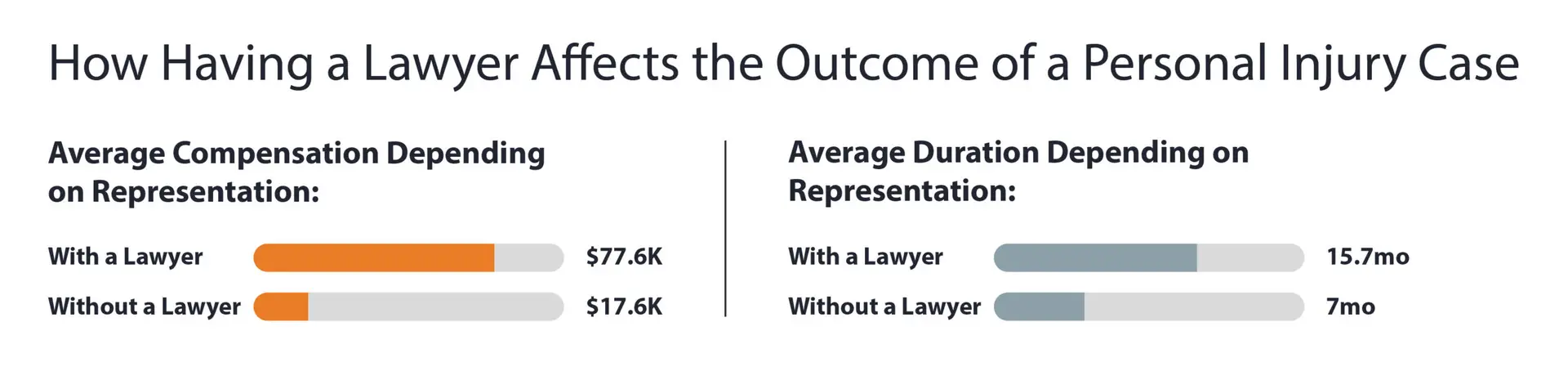
A Newport Beach premises liability lawyer can save you hundreds of hours in prepping a personal injury claim and use existing laws to leverage your case and recover more financial compensation for you.
Types of Premises Liability Accidents
There are many different forms of injury accidents that fall under the umbrella of premises liability.
The following list shows examples of premises liability claims, but it is not exhaustive. If you are unsure if you should file a lawsuit, contact the premises liability attorneys of Bisnar Chase for guidance.
➤ Slip and fall accidents
When a person slips and is injured, and the slip resulted from negligence, they may have a slip-and-fall premises liability case.
Example: A grocery store customer slips on a spillage in one of the aisles and suffers an injury. If the store knew about the spillage before the injury and had time to react but did not, the owner and manager could be liable.
➤ Dog bites and attacks
Premises liability can apply to a dog bite case if the bite occurs on the dog owner’s property.
Example: You are invited into your neighbor’s home, and their dog bites your arm, leaving puncture wounds. Premises liability could apply, as the owner should have taken reasonable action to safeguard their guest from a dog attack.
➤ Trip and fall injuries
Trips are similar to slip-and-fall cases, involving victims who trip and suffer an injury, for example, on the Balboa boardwalk.
Example: A person walks into an apartment building and trips on a broken flooring tile, suffering a broken elbow in the fall. The building owner would be at fault for failing to fix the problem. A manager or maintenance boss for the building might share liability.
➤ Swimming pool accidents
All manner of accidents can happen at a swimming pool, from drowning to slip injuries. Liability will depend on the safety measures taken at the pool.
Example: A person slips on the slick surface around a pool and hits their head. Premises liability might apply if the pool lacked appropriate safety warnings or sufficient personnel to ensure pool-goer safety.
➤ Electrocution accidents
An electrocution injury can cause serious damage to victims. The cause of an electrocution incident will determine liability.
Example: A worker is electrocuted by an exposed wire at their office, which had previously been reported but not fixed. The business or the building operators (or both) would be liable due to their failure to provide a safe environment. They could face a premises liability lawsuit.
➤ Elevator and escalator accidents
Elevators and escalators are essential components in many large buildings but can be deadly if they malfunction. Escalator and elevator injuries and deaths can result in premises liability lawsuits against building owners and managers.
Example: A shopper suffers catastrophic injuries after using an escalator at a shopping mall and falling through an insecure grate into the mechanical gears. The building owner’s job is to ensure the location is safe and properly maintained, and they would face premises liability legal action.
➤ Assault and battery injuries
Assault and battery cases can leave victims with severe injuries. But the liability for an assault incident will depend on where it happened.
Example: A person is injured in an unprovoked attack at a bar. There might be a premises liability case against the venue if the owners were negligent in providing adequate security staff and bouncers to keep customers safe.
➤ Fires and burn injuries
A fire can be devastating, tearing through buildings, causing irreparable damage, and putting anyone nearby in danger.
Example: A fire breaks out in a warehouse, spreading quickly because the building owner has ignored warnings over lawful fire safety practices. The owner also does not keep a fire extinguisher on site. There would be a clear case of premises liability in the event of an injury or death due to the building owner’s failure to ensure proper safety measures are in place.
These are just a few potential accidents that could lead to lawsuits. If you believe you might have a case, contact the Newport Beach premises liability attorneys at Bisnar Chase to find out more about your options in a free consultation.
Types of Premise Liability Locations
The main requirement in a premises liability lawsuit is that the accident occurred on property owned or managed by another person or party. It is the owner’s responsibility to make sure their property is safe for visitors.
Just some of the locations linked with premises liability cases include:
- Shopping malls
- Grocery stores
- Office buildings
- Amusement parks
- Private or city-run parks and playgrounds
- Gyms
- Restaurants
- Private homes
- Apartment buildings
- Casino or hotels
- Nightclubs and bars
- Bouncy castle rentals
Premise Liability Issues Unique to Newport Beach
- Coastal walkways and the Balboa Peninsula: salt air, uneven boardwalk transitions, raised utility plates, and night lighting failures. A defect that looks small at noon can be a trip hazard at night.
- Beach shopping centers and parking structures: grocery and department-store spills, parking-garage oil, faded speed bumps, broken wheel stops, and elevator/escalator mislevels.
- Coastal Hotels, inns, and pool decks: wet stone decking without a slip-resistant finish, missing drain covers, unmarked pool steps, and guest-room moisture on marble.
- Indoor/outdoor restaurants and bars: greasy kitchen-to-dining transitions, poor restroom lighting, and security failures when a business serves alcohol into the early morning.
- Apartments and HOAs: broken stair nosings, loose carpet on interior stairs, failed exterior lighting, and sidewalks that the association controls but has not repaired.
- Private homes: unfenced pools, dogs allowed to greet visitors at the door, and temporary construction hazards during remodels.
Premises Liability: What Evidence Do You Need?
When a person is harmed, the onus is on the victim to file a lawsuit and prove that the defendant is responsible for the injuries.
The main points which must be proven are:
- The named defendant owns, manages, rents, or lives at the property.
- That the defendant was negligent in their duty of care. This means proving that they were aware of the issue – or should reasonably have been aware – and failed to act.
- That the victim was on the property lawfully.
- That an injury was suffered.
To prove these points and build a case, victims can work with experienced premises liability lawyers in Newport Beach to maximize their chances of success. We handle injury claims and wrongful death lawsuits.
Some evidence that can be assembled to prove your case includes paperwork displaying ownership, medical records showing injuries, pictures, video footage, eyewitness testimonies, letters, emails, or paperwork proving that an owner was aware of an issue, and more.
Common Premises Liability Hazards
Countless hazards can cause premises liability injuries in Newport Beach. Some of the most common dangers seen by our personal injury lawyers include:
- Spilled liquids
- Broken flooring tiles
- Cracked pavement or sidewalk
- Broken equipment
- Loose carpet
- Underfoot debris
- Faulty electrical work
- Malfunctioning or poorly maintained machinery
- Malfunctioning escalators & elevators
If you have any questions about the legal process, call the Newport Beach premises liability lawyer at Bisnar Chase for a full case review with no obligations and no charge.
Premises Liability Compensation
How much money are you likely to receive in compensation if we win your case?
Whenever an accident lawsuit is filed, the amount of compensation a victim could receive will depend on the circumstances of that specific case. No two lawsuits are the same.
There are two ways in which a victim could secure compensation; through an out-of-court settlement or a trial verdict. Many settlements are negotiated with the at-fault party’s insurance company.
The factors influencing the compensation amount will include:
- The severity of the victim’s injuries
- Lost wages through work missed
- Medical costs and expenses
- Lost ability to work in their chosen profession (long-term)
- Pain and suffering
- Ongoing rehabilitation costs
- Emotional distress
Trust your specialist attorney to secure the greatest amount of premises liability compensation possible for your case.
Premises liability FAQs
Is a property owner automatically at fault if I was hurt on their property?
No. Injury on someone else’s property is the start of the analysis, not the end. You must show a dangerous condition, a failure to use reasonable care, and causation.
How long does a store have to clean up a spill?
There is no stopwatch in the Civil Code. The question is whether the store had actual notice or sufficient time for a reasonable inspection to have found the spill. A spill that formed 30 seconds earlier is different from a spill that has been tracked through an aisle.
What if the hazard was “open and obvious”?
An obvious danger can reduce recovery or, in some cases, defeat the claim, but it does not automatically end every case. An obvious hole in a dark parking structure with no alternate path is not the same as a bright-orange cone next to a single wet tile.
Can I bring a claim if I was working when I fell in a store or on a job site I did not control?
Workers’ compensation may cover the employment relationship. A third-party premises claim can still exist against the property owner or contractor who controlled the hazard. Those two tracks are not the same claim.
What evidence is most useful?
Photos and video of the condition, incident reports, maintenance and inspection logs, prior-complaint records, witness names, medical records, footwear, and any written notice the owner already had.
What if the owner already repaired the condition?
A later repair does not erase the condition that existed at the moment of the fall. Photograph first. If the scene has already been altered, please check for video footage, employee statements, and work orders dated the same day.
Can a trespasser recover in California?
Sometimes. California does not use the old rigid visitor categories, but the owner’s reasonable care still depends on whether the injured person’s presence was foreseeable and what the owner knew. Children and known shortcuts change that analysis.
Hiring the Best Premises Liability Lawyer in Newport Beach

If someone else’s property has injured you, Bisnar Chase can help. We have a team of tough attorneys who will fight for victims’ rights and have won countless premises liability cases.
Bisnar Chase has been operating in Southern California since 1978 and has a 99% success rate. Our firm has won more than $1B for injury claim victims.
Our law offices are based in Newport Beach, and we take pride in helping people in our community. We also help victims throughout Orange County, including those in Santa Ana, Irvine, Huntington Beach, Long Beach, and further afield.
Take advantage of our ‘No Win, No Fee’ guarantee and get superior representation in your case. Contact the Newport Beach premises liability lawyers of Bisnar Chase now for a free consultation. Call (949) 203-3814 now – we look forward to hearing from you.

Brian Chase
Articles, blogs, and content have been reviewed by legal in-house staff. Brian Chase is the managing partner of Bisnar Chase Personal Injury Attorneys, LLP. He is the lead trial lawyer and oversees cases handling dangerous and defective products that injure consumers. Brian is a top-rated injury attorney with numerous legal honors and awards for his work relating to auto defects and dangerous products. His firm has recovered over $1B for its clients. Brian is a frequent speaker for CAOC, Dordick Trial College, and OCTLA, covering personal injury trial techniques.

Serving California Since 1978
Bisnar Chase is a top-rated personal injury law firm with a national reputation. The firm has been in business since 1978 and has represented thousands of clients. Based in Newport Beach and with offices across California, Bisnar Chase has recovered over $1 billion in settlements and verdicts, emphasizing superior client representation above all.