



Immigration Status Does Not Erase Your Right to Be Paid in California
Key Takeaways: Yes, undocumented workers can file a wage theft lawsuit in California, because state law ties the right to earned wages to work performed rather than immigration status. California Labor Code § 90.5 mandates vigorous enforcement of wage laws in low-paid industries where undocumented workers are concentrated. Laws like AB 263 and SB 666 outlaw retaliation for deportation threats, while Labor Code § 1171.5 makes all state-law protections, rights, and remedies available regardless of status.
A successful claim can return unpaid minimum and overtime wages, interest, liquidated damages, waiting-time penalties, and reimbursements. The Labor Commissioner can pursue a case on your behalf, easing the fear that keeps many workers silent. Because deadlines are fact-specific and tolling is not automatic, workers should confirm time limits and promptly consult counsel.
Yes, undocumented workers can file a lawsuit for wage theft in California, and California law actively protects them when they do. State law treats the right to earned wages as belonging to the person who did the work. If you performed the labor, you are generally owed the pay, and your status does not reduce the money a court or the Labor Commissioner can recover on your behalf.
This matters because undocumented workers are among the most targeted victims of wage theft. Unauthorized immigrant workers are vulnerable and exploited, and their lack of work authorization makes them more likely to experience workplace abuses, retaliation, and wage theft. California responded with layered protections designed to ensure fear does not translate into lost wages.
If you believe your employer withheld pay you earned, the team at Bisnar Chase can help you understand your options. Call us today for a free consultation at 800-561-4887 or contact us now to discuss your situation confidentially.
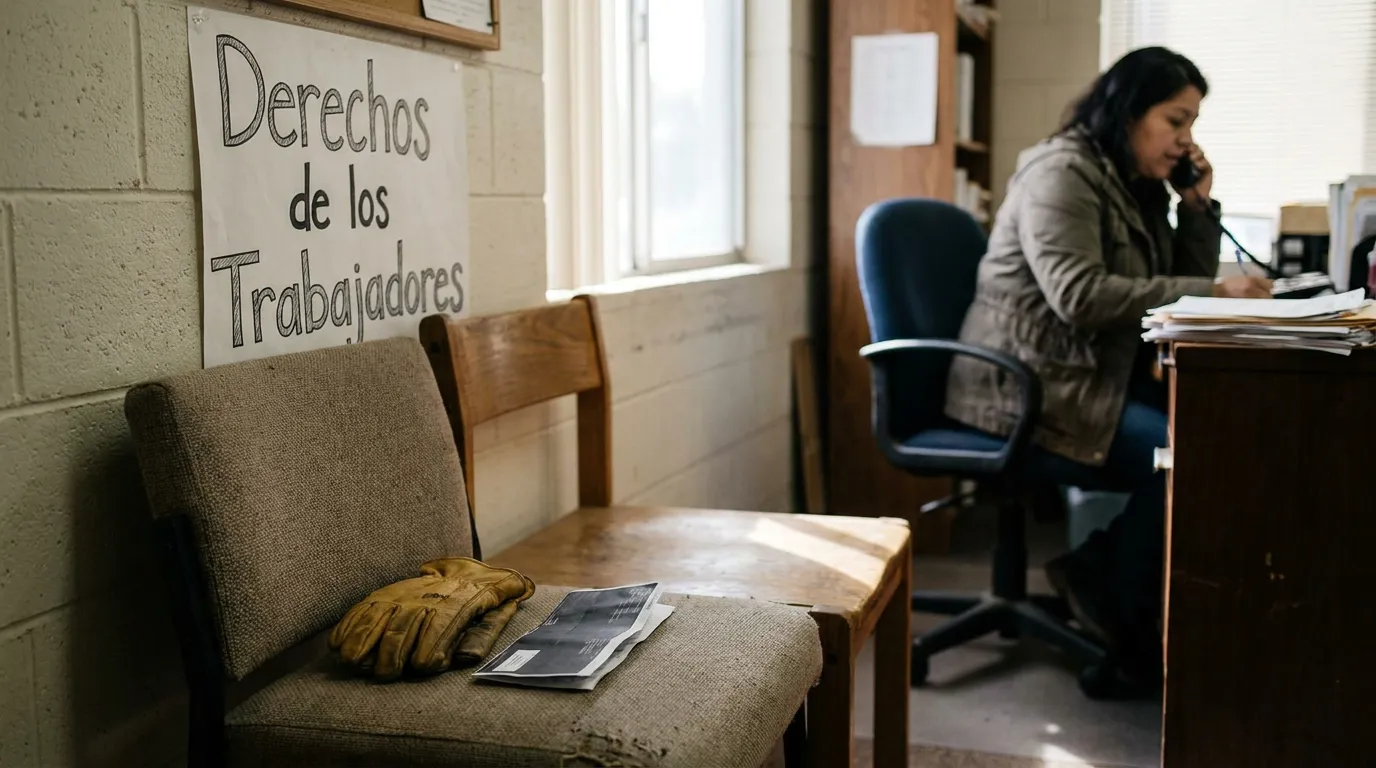
How California Protects Every Worker’s Right to Be Paid
California has adopted a formal statutory policy of enforcing wage laws for all workers, regardless of status. The Labor Commissioner is required to run a field enforcement unit that prioritizes exactly the industries where undocumented workers are often concentrated.
The State’s Enforcement Policy Reaches Low-Wage Industries
The Legislature declared wage enforcement a statewide priority. Under California Labor Code § 90.5(a), it is state policy to vigorously enforce minimum labor standards so employees are not required or permitted to work under substandard, unlawful conditions.
The field enforcement unit is created by § 90.5(b), but § 90.5(c), which governs the labor commissioner’s enforcement plan, directs the unit to focus its resources on industries and occupations where workers are relatively low-paid and unskilled and where there has been a history of violations. You can read the state’s enforcement framework directly in the California Labor Code enforcement provisions. Because these sectors commonly employ undocumented individuals, immigration status does not remove you from that protective umbrella.
Laws Against Immigration-Based Retaliation
California specifically outlawed the deportation-threat tactics employers use to silence workers. From 2013 to 2017, California’s legislature passed laws designed to protect workers from retaliation and discrimination related to immigration status.
These protections carry real consequences for employers. California’s AB 263 prohibits employers from using immigration-status threats to retaliate against employees who have exercised labor rights, and under SB 666, employers could potentially lose their business license. The Economic Policy Institute’s analysis of California immigrant labor laws explains how these measures fit together and urges other states to follow California’s lead.
💡 Pro Tip: Document everything. Save pay stubs, text messages, schedules, and photos of time clocks. Contemporaneous records often carry significant weight if your employer later disputes the hours you worked or wages you were promised.
What Counts as Wage Theft Under California Law
Wage theft happens whenever an employer fails to pay you everything you are legally owed by your payday. Under California’s payday rules, all wages are due on the employer-set payday, and if not paid by the due date, late payment penalties may apply.
The category is broad, giving workers multiple grounds to pursue. Late-payment penalties can apply to different types of wages not timely paid, including minimum wage, overtime wages, or vacation wages. If you want a fuller breakdown, our overview of wage theft under California law walks through common employer violations.
Common forms of unpaid wages in California workers’ experiences include the following:
- Paying below minimum wage under Labor Code § 1197
- Failing to pay overtime required by Labor Code §§ 510 and 1194
- Denying meal and rest breaks under Labor Code § 226.7
- Withholding final pay, triggering waiting-time penalties under Labor Code § 203
- Refusing to reimburse work expenses under Labor Code § 2802
💡 Pro Tip: Employers may not force you to give up these rights. Under California Labor Code § 432.6(a), no employer may require an employee to waive the right to file a civil action or complaint with a state agency as a condition of employment, and § 432.6(b) bars retaliation against workers who refuse to sign such waivers.
What a California Wage Theft Lawsuit Can Recover
A successful California wage theft lawsuit can return far more than the missing paychecks. For unpaid minimum wages, California Labor Code § 1194 lets an employee recover the full unpaid balance plus interest, attorney’s fees, and costs, and § 1194.2 adds liquidated damages equal to the unpaid minimum wages, effectively doubling that portion of recovery.
Immigration status does not shrink these remedies. California Labor Code § 1171.5(a) provides that all protections, rights, and remedies available under state law, except for any reinstatement remedy prohibited by federal law, are available to workers regardless of immigration status. Under § 1171.5(b), a worker’s immigration status is generally irrelevant to an employer’s liability, and no inquiry into that status is permitted unless the party seeking it shows by clear and convincing evidence that the inquiry is necessary to comply with federal immigration law.
| Type of Recovery | Governing Authority |
|---|---|
| Unpaid minimum and overtime wages | Labor Code §§ 510, 1194, 1197 |
| Liquidated damages | Labor Code § 1194.2 |
| Waiting-time penalties | Labor Code § 203 |
| Meal and rest period pay | Labor Code § 226.7 |
| Expense reimbursement | Labor Code § 2802 |
You may also recover statutory penalties yourself. AB 673 amended Labor Code § 210 so that an employee can recover the entire penalty through the Labor Commissioner’s wage claim process, strengthening the value of pursuing an undocumented worker wage claim through administrative channels.
Deadlines and the Statute of Limitations
Timing matters, and the applicable deadline depends on the type of claim. Claims for unpaid minimum and overtime wages carry a three-year statute of limitations, which can extend to four years when pursued under the Unfair Competition Law, while some penalty claims have shorter limitations periods. Certain events, such as a formal Labor Commissioner investigation with written notice to the employer, may pause the clock in limited circumstances, but you should not assume any extension applies to your situation.
Tolling is not automatic, and courts read such exceptions narrowly. Any pause typically depends on an agency actually opening an investigation and providing notice. Because deadlines are fact-specific, workers should confirm the applicable time limit early rather than assume an extension applies.
💡 Pro Tip: Do not wait to gather information just because tolling might exist. Please treat every deadline as if it were running, and consult counsel promptly to avoid missing a date that could extinguish an otherwise valid claim.
Filing Without Putting Your Name on the Line
If you fear filing in your own name, the labor commissioner may pursue the case for you. Under California Labor Code § 98.3, the Labor Commissioner may prosecute wage claims and file a civil action to recover unpaid wages and penalties on a worker’s behalf. Because § 1171.5 makes these remedies available regardless of immigration status, and inquiry into that status is sharply restricted, a worker’s papers do not bar the Labor Commissioner from enforcing the claim.
This provides a practical enforcement path for labor rights related to immigration status. A worker can pursue recovery without personally initiating litigation, easing the fear that keeps many undocumented workers silent. A wage theft attorney in California can help you weigh your options. To learn how our team approaches these matters, visit our California wage theft lawsuit lawyer page.
Frequently Asked Questions
1. Can my employer report me to ICE for filing a wage claim?
Retaliation of this kind is prohibited. Under AB 263 and Labor Code § 432.6, employers may not use immigration-status threats to punish workers who assert labor rights, and doing so can expose them to serious consequences, including possible loss of a business license under SB 666.
2. Do I need work authorization to recover the unpaid wages California owes me?
Generally no. California enforces wage laws based on work performed, and Labor Code § 1171.5 reflects the state’s intent that citizenship or immigration status not bar recovery of money lawfully owed.
3. What money can I recover in a lawsuit for wage theft in California?
Potentially back wages, interest, liquidated damages, and penalties. Labor Code § 1194 allows recovery of unpaid minimum and overtime wages plus attorney’s fees, § 1194.2 adds liquidated damages equal to unpaid minimum wages, and § 210 lets employees recover certain statutory penalties directly.
4. How long do I have to file a wage claim in California?
It depends on the type of claim. Unpaid-wage claims generally carry a three-year limit (up to four years under the Unfair Competition Law), while some penalty claims are shorter, and any tolling is interpreted narrowly, so confirm your deadline early.
5. Can I be forced to sign away my right to sue?
No. Labor Code § 432.6(a) makes it illegal for an employer to require you to waive the right to file a civil action or agency complaint as a condition of employment.
Protecting Your Wages, Whatever Your Status
Undocumented workers in California hold the same core right to earned wages as anyone else, and the state has built strong tools to enforce it. From the enforcement mandate in § 90.5 to the anti-retaliation shields of AB 263 and SB 666, and the recovery provisions in §§ 1194, 1194.2, and 210, reinforced by the equal-treatment guarantee of § 1171.5, California law consistently signals that immigration status is not a valid excuse for stealing wages. Because every case turns on its own facts, speak with knowledgeable counsel who can evaluate your California Labor Code protections.
If your employer has withheld pay you earned, Bisnar Chase is ready to listen. Call us today for a free consultation at 800-561-4887 or contact us now to protect your employee wage rights.