


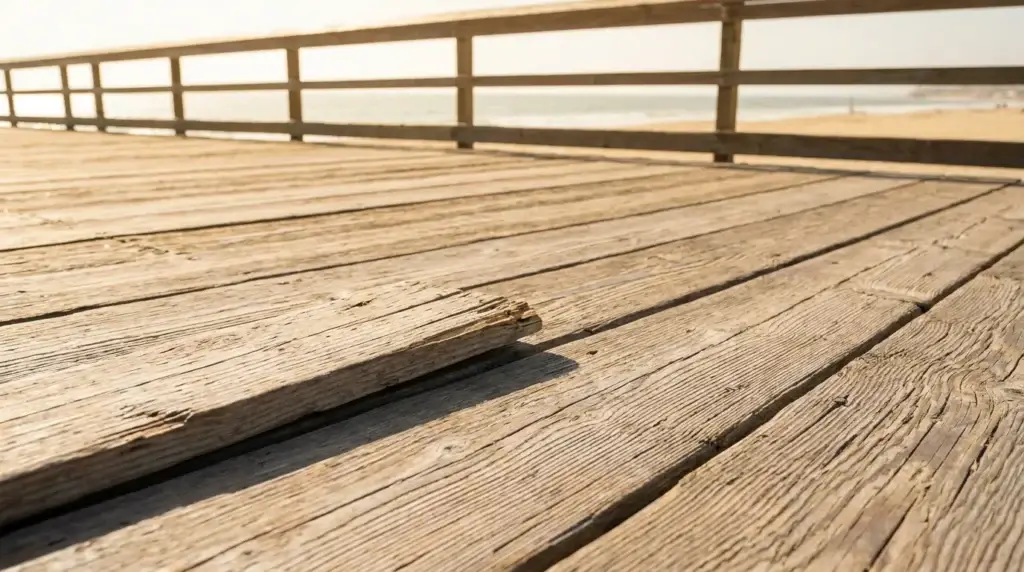
Falling on a Newport Beach Boardwalk: What Your Injury Claim Really Involves
Key Takeaways: Boardwalk fall victims in Newport Beach can often file a premises liability claim if ownership can be established and a genuine hazard caused the injury. Success requires proving negligence under California Civil Code § 1714(a): duty, breach, causation, and harm by a preponderance of evidence. Public property claims face additional Government Code requirements, including dangerous condition standards and immunity defenses like trail immunity (§ 831.4) and water-related immunity (§ 831.8).
California’s pure comparative negligence rule reduces recovery by your fault percentage rather than barring it entirely. Compensation may include medical expenses, pain and suffering, and lost wages. Early hazard documentation and prompt action are critical given public entity administrative deadlines. Consulting an experienced attorney helps evaluate ownership, notice, and immunity defenses specific to your case.
Yes, boardwalk fall victims in Newport Beach can often file a premises liability claim, but success depends on who owns the walkway and whether a genuine hazard caused the fall. A dangerous condition, rather than simple bad luck, must have led to your injuries. Because many coastal walkways are public property, these cases involve special rules that do not apply to typical retail store falls. Understanding those rules early can make the difference between a strong claim and a missed opportunity.
If you want case-specific guidance, the team at Bisnar Chase is ready to help. Call us today for a free consultation at 800-561-4887 or reach our Newport Beach office online.
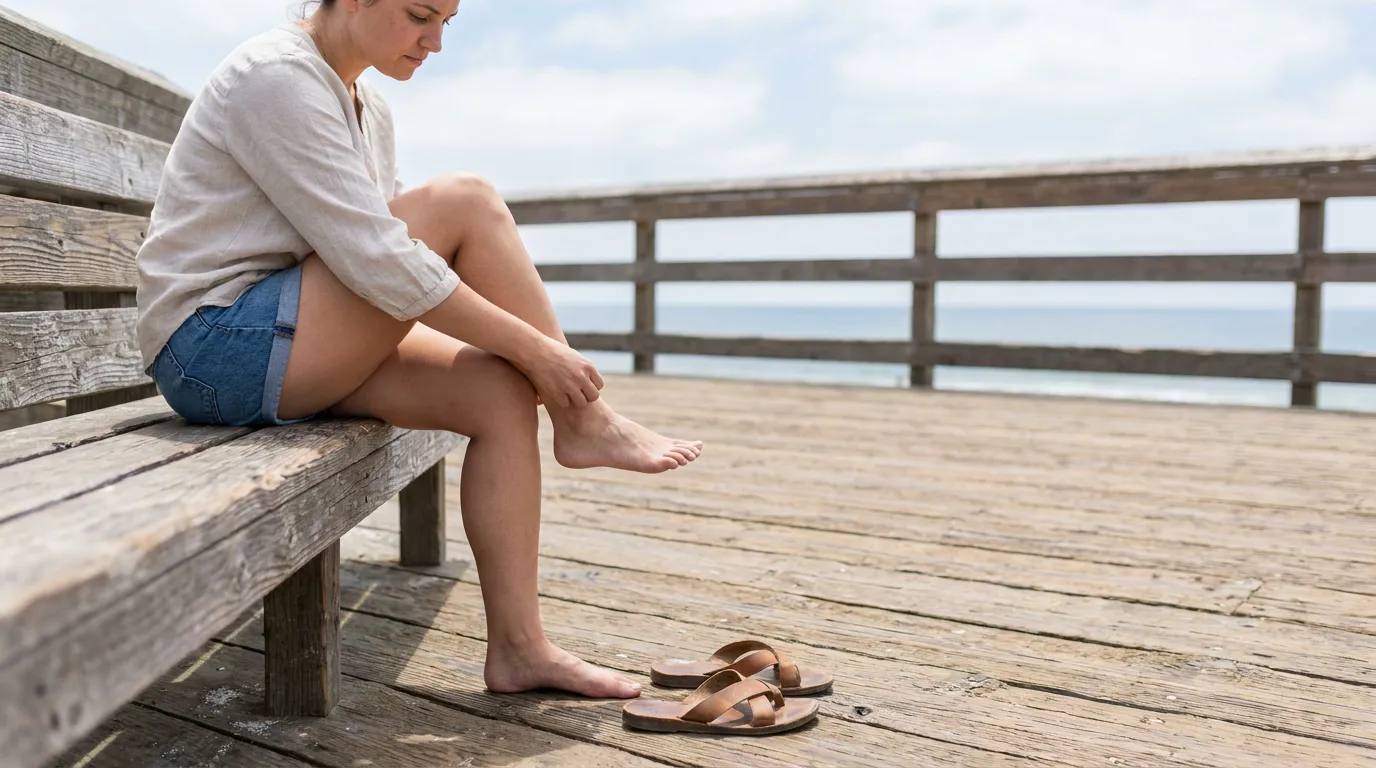
The Legal Foundation Behind a California Boardwalk Fall Claim
Premises liability claims in California are rooted in negligence and require proof of duty, breach, causation, and harm. A slip and fall caused by a property owner’s failure to maintain safe premises is a classic negligent tort example.
The core duty is to act reasonably. A jury evaluates conduct by asking what a reasonable person would have done in the same situation, allowing a victim to argue an owner or public entity failed to keep a walkway reasonably safe.
The statutory anchor is California Civil Code § 1714(a), which provides that everyone is responsible for injuries caused by a want of ordinary care or skill in the management of their property or person, except so far as the injured person willfully or by want of ordinary care brought the injury upon themselves. That statute frames the damages an injured person may recover.
💡 Pro Tip: Take timestamped photos of the exact hazard the day of your fall. Boardwalk conditions change quickly with tides, repairs, and cleaning, making early evidence difficult to recreate.
Why the Standard of Proof Works in a Victim’s Favor
You need only prove that your version of events is more likely than not true. California applies the preponderance-of-the-evidence standard to all elements of negligence. This standard permits a fact finder to infer that a defendant’s breach caused the injury when that link appears more likely than not.
Causation must be shown two ways. The breach must be both the actual cause and the proximate cause of your harm. Proximate cause is assessed through the foreseeability of the defendant’s conduct resulting in that injury type.
Public Property, Boardwalks, and California’s Immunity Rules
Many Newport Beach boardwalks are public property, which triggers distinct rules for a Newport Beach public-property injury claim. Under California Government Code Article 3, a victim generally must show: (1) the property was in a dangerous condition at the time of injury; (2) the dangerous condition proximately caused the injury; (3) the condition created a reasonably foreseeable risk of the kind of injury incurred; and (4) either a negligent or wrongful act or omission of a public employee within the scope of employment created the dangerous condition or the public entity had actual or constructive notice of the dangerous condition under Section 835.2 a sufficient time prior to the injury to have taken protective measures. Cal. Gov. Code § 840.2 governs claims tied to a public employee’s role, while claims against the public entity itself under § 835 incorporate these requirements.
Beyond proving the hazard, a claimant typically must show more about the responsible employee. Under § 840.2(a) and (b), liability may attach where the dangerous condition resulted from the employee’s negligent act with means available to act otherwise or where the employee had authority, funds, and notice under § 840.4 to protect against the condition and failed to do so.
California grants public entities broad “trail immunity,” frequently raised in coastal cases. Under Cal. Gov. Code § 831.4, a public entity is generally not liable for injuries caused by any unpaved road or trail providing access to recreational or scenic areas, including water sports. This immunity significantly affects boardwalk injury California claims.
That immunity has important exceptions. Under § 831.4(c), for paved trails, walkways, paths, or sidewalks on granted easements leading to unimproved property, immunity applies only if the entity reasonably attempts to provide adequate hazard warnings.
| Government Code Section | General Rule | Key Limitation |
|---|---|---|
| § 831.4 | Trail immunity for unpaved roads and recreational-access trails | Narrower for paved easement walkways |
| § 831.4(c) | Immunity for paved walkways on granted easements | Applies only if entity reasonably attempts adequate warnings |
| § 831.8 | Immunity for water facilities such as reservoirs, canals, conduits, drains | Does not apply to hidden, unreasonably dangerous conditions the entity knew of in time to act |
| § 831.25 | Immunity for natural land failures on unimproved property | Does not benefit entity with actual notice of probable damage that failed to warn |
Water-related immunity has carve-outs that can help injured visitors. Under Cal. Gov. Code § 831.8, immunity generally applies to water facilities where an injured person used the property for an unintended purpose. Under § 831.8(d), immunity does not shield an entity where a condition created substantial and unreasonable risk of death or serious harm, the danger was not reasonably apparent to a person using due care, and the entity had actual knowledge in time to take protective measures. Section § 831.8(e) removes water-related immunity for public entities when the injured person is under age 12, effectively allowing liability to attach in such cases rather than shielding the entity from suit.
Natural land failures are treated separately. Under Cal. Gov. Code § 831.25(a) and (d), a public entity is generally not liable for injuries from landslide, mudslide, creep, or subsidence of unimproved public property from natural conditions. Immunity does not benefit an entity with actual notice of probable damage that failed to give reasonable warning.
💡 Pro Tip: If your fall happened near a coastal bluff, seawall, or eroding path, note whether warning signs were present. Their presence or absence can be central to whether an immunity defense holds.
Working With a Slip and Fall Lawyer Newport Beach Victims Trust
A slip and fall lawyer Newport Beach residents rely on can help sort out which rules apply to their specific fall. These cases turn on ownership, notice, and walkway type, and small factual details can shift the entire analysis. If you were hurt on a coastal path, learning about common dangers at California beaches can help you understand how hazards and liability often intersect.
Bisnar Chase brings recognized standing to these matters. The firm’s work earned a 2026 Lawyer of the Year honor from the American Institute, and the firm was named among the 2026 Best Places to Work by the Orange County Business Journal. These acknowledgments reflect a team trusted for handling serious injury cases across Orange County.
Documented harm drives value in premises liability claims. Successful negligence-based claims may yield compensation for several loss categories:
- Medical expenses connected to the fall
- Pain and suffering
- Lost wages and related economic losses
A qualified Newport Beach premises liability attorney can evaluate how these categories apply to your situation and whether immunity defenses may limit recovery.
💡 Pro Tip: Keep all medical records, bills, and receipts organized from day one. Clear documentation strengthens the causal link between the hazard and your harm.
How Comparative Fault Can Affect a Boardwalk Fall Recovery
California’s comparative fault rule means partial responsibility does not bar recovery. Civil Code § 1714(a) provides that everyone is responsible for injuries caused by a want of ordinary care or skill in the management of their property or person, except so far as the injured person willfully or by want of ordinary care brought the injury upon themselves. California courts, through case law (Li v. Yellow Cab Co., 1975), apply this provision under a pure comparative negligence framework that reduces, but does not bar, recovery in proportion to the plaintiff’s fault.
This matters for boardwalk falls, where inattention is alleged. A defense might argue you were distracted or not watching your step. Even so, your fault share reduces potential recovery rather than eliminating it, though specific facts affect the outcomes.
💡 Pro Tip: Avoid giving a recorded statement to an insurer before speaking with an attorney. Casual admissions about “not paying attention” can inflate your comparative fault percentage.
Frequently Asked Questions
1. Do I have a claim if I fell on a public boardwalk?
Possibly, but public property claims are more complex than private ones. You must show a dangerous condition, causation, and foreseeable risk under Cal. Gov. Code § 835 (with parallel employee liability under § 840.2), and overcome any applicable immunity. A tourist slip and fall claim on public property often requires early investigation.
2. What is “trail immunity” and does it always apply?
Trail immunity under Cal. Gov. Code § 831.4 shields public entities from many trail injury claims. It does not always apply. For paved easement walkways under § 831.4(c), immunity generally depends on whether the entity reasonably attempted to warn of hazards.
3. Can I still recover if I was partly at fault?
In many cases, yes. California’s pure comparative negligence rule allows recovery to be reduced by your percentage of fault, consistent with Civil Code § 1714(a). The specific reduction depends on the facts.
4. What compensation might be available?
Compensation may include medical expenses, pain and suffering, and lost wages, subject to proof. Outcomes depend on individual circumstances.
5. How quickly should I act after a boardwalk fall?
Act promptly. California’s personal injury statute of limitations is typically two years, though confirm with an attorney because courts interpret exceptions narrowly. Claims against public entities require filing a government claim within 6 months, which differs from civil lawsuit timelines.
Protecting Your Rights After a Coastal Walkway Fall
A boardwalk fall in Newport Beach can support a premises liability claim, but success depends on ownership, notice, immunity defenses, and careful documentation. California law offers real protections through Civil Code § 1714 and the Government Code, yet those protections come with meaningful exceptions requiring a close look at your facts. Consulting an attorney about your specific situation is the most reliable way to understand your options.
If a hazardous walkway caused your injuries, the Newport Beach injury lawyers at Bisnar Chase are ready to review your claim. Reach out at 800-561-4887 or contact us now to get started.