

Car Accident Medical Liens in Newport Beach: What Happens to Your Settlement
Medical liens and unpaid bills after a car accident can take a large share of your settlement if no one challenges them. Car accident victims in Newport Beach often ask whether hospitals, doctors, and Medi-Cal can take part of their recovery, and how much. In many cases, California law limits what lienholders can collect, and the order in which liens are paid affects how much you keep. Bisnar Chase has represented car accident victims since John Bisnar founded the firm in 1978, and we have seen how careful lien work can change what reaches a client’s pocket.
If medical bills are piling up while your claim is still open, you can speak with someone who handles these issues every day. Bisnar Chase offers free case evaluations and a "no recovery, no fee" promise. Call 800-561-4887 or contact us now to talk through your situation.
What a Medical Lien Is and Why It Attaches to Your Claim
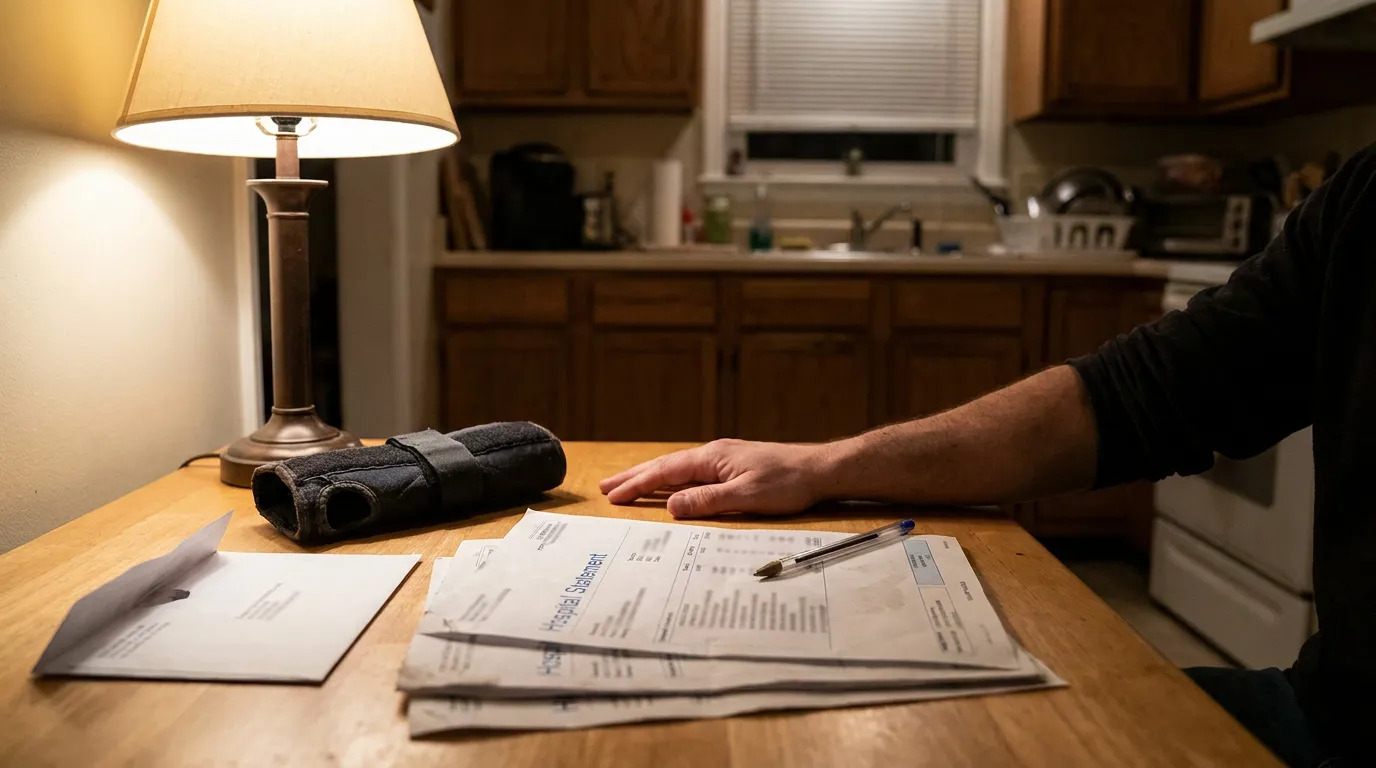
A medical lien is a claim against your settlement by someone who paid for or provided your treatment. California Civil Code § 2872 defines a lien generally as a charge on property that makes that property security for performing an act, and a lien ends when the underlying obligation is satisfied or by operation of law (see Civil Code §§ 2909-2913). When a medical lien is involved, the "property" is usually your injury recovery. That is why a valid lien usually has to be resolved or released before settlement funds go out.
These general rules are only background, though. Specific statutes govern hospital, physician, and public-benefit liens, and those rules usually control the outcome. For example, California’s Hospital Lien Act (Civ. Code §§ 3045.1-3045.6) generally caps a hospital’s lien at 50 percent of the recovery after certain prior liens are paid. For a closer look, see our guide on medical liens in California injury cases.
Common Sources of Liens After a Crash
Several kinds of payers and providers may claim part of a car accident recovery. The ones we see most often in Orange County include:
- Medi-Cal, through the state Department of Health Care Services
- Hospitals and treating physicians who agreed to wait for payment until the case settles
- Emergency room physicians, subject to California’s discount payment protections
- Private health insurers or employer health plans with reimbursement rights
💡 Pro Tip: Keep every explanation of benefits, Medi-Cal notice, and lien letter you receive. Your attorney uses these documents to check whether each amount claimed is accurate and enforceable.
How California Law Limits Medi-Cal Liens
Medi-Cal liens follow strict statutory rules, and many of those rules protect the injured person. Under Cal. Welf. & Inst. Code § 14124.76(a), the state’s recovery is limited to the portion of a settlement, judgment, or award that represents payment for medical expenses or medical care. The lien generally cannot reach money paid for pain and suffering or lost wages. The statute also reduces the state’s recovery by its share of attorneys’ fees and litigation costs.
The same statute also prevents a settlement from being treated as final until the state is involved. Section 14124.76(a) provides that no settlement, judgment, or award is deemed final or satisfied without first giving the director notice and a reasonable opportunity to perfect and satisfy the lien. Because of this, Bisnar Chase builds lien handling into the claim from the start. You can read the full provisions in California’s Medi-Cal lien statutes.
When the Allocation Is Disputed
If you and the state cannot agree on how much of the settlement covers medical care, a court may decide. Under Section 14124.76(a), unless the director has agreed to the allocation, either side may file a motion, and the court must be guided by Arkansas Department of Health and Human Services v. Ahlborn (2006) 547 U.S. 268. Section 14124.76(b) addresses which court has jurisdiction over the allocation dispute. Under Section 14124.76(c), when a settlement is conditioned on an acceptable allocation, the court’s ruling is tentative and becomes final only if the beneficiary does not serve a rejection within 30 days of notice of entry of the tentative determination, and that same subsection allows either the beneficiary or the director to appeal the final order.
Provider Liens on Medi-Cal Patients and the 25 Percent Reduction
Providers who treated a Medi-Cal patient may also attempt to file liens, but California courts have limited their ability to collect. Cal. Welf. & Inst. Code § 14124.791(a) by its text would allow a provider to file a lien against a judgment, award, or settlement, subject to the director’s prior right of recovery, with recovery only after the provider has fully reimbursed the fees Medi-Cal paid it for those services. The statute would also reduce the provider’s claim, under Section 14124.791(c), to its fees less 25 percent, representing the provider’s reasonable share of attorneys’ fees and litigation expenses, with Section 14124.791(b) adding a procedural step requiring written notice to eligible providers within 30 days of filing the action.
However, the California Supreme Court has held that this provider-lien statute cannot be enforced against a Medi-Cal patient’s settlement. In Olszewski v. Scripps Health (2003) 30 Cal.4th 798, reaffirmed in Howell v. Hamilton Meats & Provisions, Inc. (2011) 52 Cal.4th 541, the court ruled that Section 14124.791 is preempted by federal Medicaid law and is invalid, unenforceable, and uncollectible as applied to a Medi-Cal beneficiary’s tort recovery. In practice, this means providers generally cannot assert enforceable liens under this section against a Medi-Cal patient’s settlement in Newport Beach or elsewhere in California, beyond what Medi-Cal itself is entitled to recover.
💡 Pro Tip: Do not sign a lien agreement or settlement release before an attorney reviews it. Some documents waive protections you may otherwise have.
Emergency Room Bills and Discount Payment Protections
California gives certain emergency patients extra protection from aggressive collection. For patients who qualify for an emergency physician’s discount payment policy, Cal. Health & Safety Code § 127455(e), as amended by AB 2297 effective January 1, 2025, bars using liens on any real property owned by the patient and prohibits wage garnishment except by court order upon noticed motion. The same provision states that these protections do not stop providers from seeking reimbursement from third-party liability settlements or the at-fault party.
In practice, your real property is protected, but your car accident recovery may not be. We look at whether you qualified for discounted care and whether the amount claimed matches what the law allows.
Delayed Symptoms After a Car Accident and Your Medical Bills
Delayed symptoms after a car accident can drive up medical bills and complicate lien negotiations. Concussions, soft-tissue injuries, and spinal problems sometimes show up days or weeks after a crash. Later treatment still produces bills, and those bills often become liens. Insurers may argue that delayed treatment points to an unrelated cause, so medical documentation is important for proving causation.
Serious injuries happen often on California roads. Caltrans publishes statewide crash records covering collision severity and injury outcomes on the State Highway System.
💡 Pro Tip: See a doctor promptly after any crash, even if you feel fine. Early records help connect later symptoms to the collision.
California’s statute of limitations for personal injury is generally two years from the date of injury (Code Civ. Proc. § 335.1). Claims against government entities usually require an administrative claim within six months. Have an attorney confirm the deadlines that apply to your case.
What Bisnar Chase’s Track Record Means for Your Lien Negotiations
A firm’s experience matters most at the point where lienholders and insurers decide how seriously to negotiate. Bisnar Chase has recovered over $1 billion for clients and reports a success rate of about 99%. These are past results and do not guarantee any outcome in a future case. Among those results, the firm won a $24 million verdict for a client paralyzed in a traffic accident caused by an auto defect. According to the firm, she recovered her will to live through extensive medical treatment and the firm’s help.
Large recoveries in catastrophic cases often involve the most complicated lien structures. Cases involving brain injury, paralysis, or commercial-vehicle collisions can carry layered liens from hospitals, Medi-Cal, and private insurers. Because our trial attorneys are comfortable both negotiating and litigating, lienholders know a disputed allocation may go before a judge.
Why You Should Choose Bisnar Chase
Choosing a firm for a lien-heavy car accident case comes down to experience, local knowledge, and how the firm treats clients. Bisnar Chase is based in Newport Beach, has offices across California, and has served the Orange County community since 1978. The firm says it knows all Orange County courts and has a team of eight trial lawyers. Its mission statement is "to provide superior client representation," and the firm says it has always put the client first.
You can learn more on our page for Newport Beach car accident lawyers. We offer a "no recovery, no fee" promise and free case evaluations, so you can get answers without upfront cost.
💡 Pro Tip: Before your consultation, write down every provider who treated you and whether each was paid by insurance, Medi-Cal, or not at all.
Frequently Asked Questions
Common Questions About Medical Liens After Car Accidents in Newport Beach, California
1. Can Medi-Cal take my pain and suffering compensation?
Generally, no. Under Cal. Welf. & Inst. Code § 14124.76(a), the state’s lien is limited to the part of the recovery that represents medical expenses or medical care. If you disagree about how much is for medical care, a court may decide using the Ahlborn standard.
2. Why can’t my settlement be paid out right away?
If Medi-Cal paid for your treatment, Section 14124.76(a) provides that the settlement is not final until the state receives notice and a reasonable opportunity to perfect and satisfy its lien. Other liens may also need to be resolved first.
3. Do providers who treated me under Medi-Cal get paid in full?
Generally no, and in most cases they cannot enforce a lien against your settlement at all. While Cal. Welf. & Inst. Code § 14124.791 would otherwise reduce a provider’s claim by 25 percent after Medi-Cal is reimbursed, the California Supreme Court in Olszewski v. Scripps Health (2003) held that this provider-lien statute is preempted by federal law and unenforceable against a Medi-Cal beneficiary’s settlement.
4. Can an ER doctor put a lien on my house?
For patients who qualify for an emergency physician’s discount payment policy, Cal. Health & Safety Code § 127455(e), as amended effective January 1, 2025, bars liens on any real property you own, not just a primary residence. However, the provider may still seek payment from a third-party liability settlement.
5. What if I was partly at fault for the crash?
California follows pure comparative negligence. You may still recover damages, but your recovery is reduced by your percentage of fault. A smaller recovery can affect how liens are negotiated.
Protecting More of Your Car Accident Recovery
Medical liens are governed by specific California statutes that cap amounts, set the order of payment, and require procedural steps. Medi-Cal liens are generally limited to medical damages, provider liens on Medi-Cal patients are largely unenforceable under controlling California Supreme Court precedent, and qualifying ER patients have protection against liens on their real property. Since 1978, Bisnar Chase has helped Orange County car accident victims deal with these rules while pursuing full compensation.
If liens and bills are holding up your recovery, an experienced team can review your options. Reach out to our Newport Beach personal injury attorneys at Bisnar Chase. Call 800-561-4887 or schedule your free consultation.
Disclaimer: This content is for informational purposes only and is not legal advice. Every case is unique, and results may vary. Consult an attorney about your specific circumstances.