


Your Phone Camera May Be Your Most Important Evidence After a Dog Attack
Key Takeaways: To photograph dog bite marks in a way that may strengthen your injury claim, get medical care first. Then take dated, well-lit photos of every wound from wide, medium, and close-up distances, with a ruler or coin next to the wound for scale. California Civil Code § 3342 generally makes dog owners strictly liable for bites, so your claim often depends on proving that a bite happened and how badly it hurt you. Clear photos can help show both. Also photograph the scene, torn clothing, and the dog from a safe distance. Take new photos every day for at least two weeks, then weekly until the wound heals. Never edit the original photos, and keep them with your medical records, witness information, and the animal control report. Most adult dog bite claims must generally be filed within two years, and claims against government entities have much shorter deadlines.
Clear, dated, well-lit photos taken in the first hours and days after a dog bite can be some of the strongest evidence you have. Under California law, a dog owner is generally strictly liable for bites. That means your claim often depends on proving that the bite happened and how badly it hurt you, and photos can help prove both. This guide explains how to take them and why each step may matter.
If you or a family member was bitten in Newport Beach or anywhere in Orange County, you do not have to figure this out alone. The attorneys at Bisnar Chase can help you preserve evidence and understand your options. Call 800-561-4887 or contact us now for a free consultation.
Why Photos Matter So Much Under California’s Strict Liability Law
California is a strict liability state for dog bites, so you generally do not need to prove the owner was careless. Under Civil Code § 3342, an owner may be liable for a bite that happens in a public place or while the victim is lawfully on private property, including the owner’s property. Liability generally applies "regardless of the former viciousness of the dog or the owner’s knowledge of such viciousness." Limited exceptions apply, such as for certain bites by police or military dogs performing their duties. Because the dog’s history usually does not matter, the case often turns on two questions: did a bite occur, and what injuries did it cause?
That is where your photos come in. Insurance adjusters often look for reasons to say a wound was minor or was not a bite at all. Clear images of puncture wounds, tooth patterns, and tissue damage make that argument much harder. Photos may also help prove damages, which may cover medical bills, scarring, lost wages, and pain and suffering.
Bites Are Treated Differently From Other Dog Injuries
Strict liability under § 3342 generally covers bites, not every injury a dog causes. If a dog knocks you over without biting, your claim may rest on negligence or other legal theories, which can require more proof. Photos of actual tooth marks can help your attorney put your claim in the right category. If you have both kinds of injuries, photograph and label them separately.
Your Photos Can Help Answer the Owner’s Defenses
Owners and their insurers sometimes argue that the victim was trespassing or provoked the dog. Photos of where the attack happened, such as a public sidewalk or the front porch of a home you were invited to, can help show you were lawfully present. California also follows a pure comparative negligence rule. Even if you were partly at fault, you may still recover damages, though your award would generally be reduced by your share of fault. In some cases, such as bites to veterinarians or groomers caring for the dog, an assumption-of-risk defense may limit or bar recovery.
A Step-by-Step Guide to Photographing Dog Bite Marks
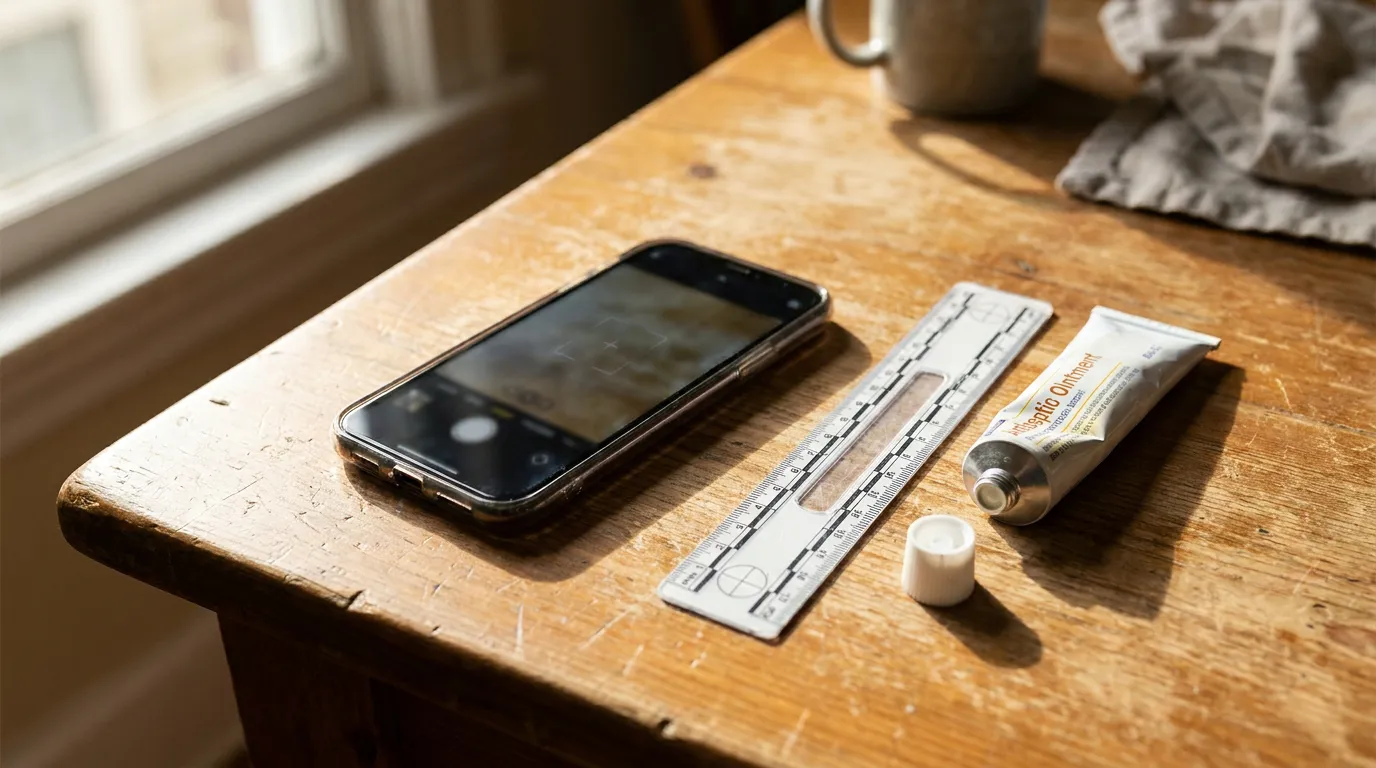
Get medical care first, then start taking photos as soon as you safely can. If possible, take a few photos before the wound is cleaned or bandaged, but never delay treatment to do it. A family member or friend can take the photos for you. Use this checklist:
- Turn on date and location stamps in your phone settings.
- Shoot in natural or bright, even light and avoid flash glare that can wash out redness and bruising.
- Take three distances for each wound: a wide shot showing the body part, a medium shot, and a close-up showing puncture depth and tooth spacing.
- Place a ruler, coin, or other common object next to the wound so the size is clear.
- Photograph from several angles, including straight on and from the side, to show swelling and depth.
- Photograph torn or bloody clothing, shoes, and anything else the dog damaged, and keep those items unwashed.
- Never edit, filter, or crop the originals. Back them up to cloud storage and a second device.
Dog bites often land on the limbs, hands, and face. Check your whole body, not just the spot that hurts most. Children are often bitten on the face and head, so parents should photograph those areas carefully.
💡 Pro Tip: Take a short video along with still photos. A slow pan from the wound to the surrounding area and then to the scene can show size and location better than single images.
Document the Scene and the Dog
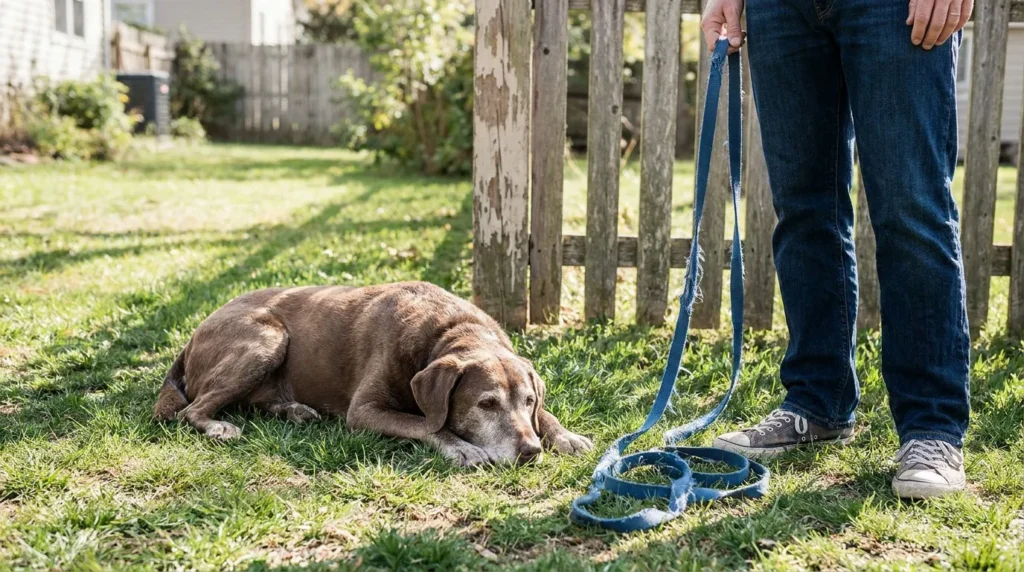
Scene photos show what your wound photos cannot. Photos of a broken gate, a gap in a fence, a missing leash, or an open yard can help show how the attack happened and may support a negligence claim or a leash-law violation. If you can do it safely from a distance, photograph the dog and its owner, along with any address, vehicle, or tag. Do not approach the dog.
Tracking Your Wound Over Time
A bite that looks minor on day one can look very different by day three. Dog bites can push bacteria deep into the tissue. According to the Sepsis Alliance, animal bites can cause infections that may lead to sepsis in serious cases. Signs of infection, such as redness, swelling, warmth, and pus, may show up days later.
Photograph your wounds every day for at least the first two weeks, then weekly until they heal. Use the same lighting, angle, and distance each time so you can easily compare changes. Keep taking photos after stitches, surgery, or scar treatment, because scarring can be a big part of damages. If you notice signs of infection, contact a doctor right away, then document what you see.
| When to Photograph | What to Capture | Why It Matters |
|---|---|---|
| Right away | Fresh wounds, blood, clothing, scene | Helps prove the bite and where it happened |
| At the hospital | Wounds before and after treatment, stitches | Links injuries to medical records |
| Daily, first 2 weeks | Swelling, redness, drainage, bruising | Shows infection and healing |
| Weekly afterward | Healing tissue, scarring | May support claims for long-term harm |
| Months later | Permanent scars, limited motion | Shows lasting impact on your life |
How Photos Fit With Your Other Dog Bite Evidence
Photos work best alongside medical records, witness information, and a written timeline. Keep every medical record, bill, and prescription from the date of the bite forward. Write down what happened while your memory is fresh, including the time, the place, what the owner said, and the names of anyone who saw the attack. Report the bite to local animal control, and keep a copy of the report.
For a broader checklist, our guide on what to do after a dog bite covers the first steps in more detail. Keeping your photos in one folder, sorted by date, makes it easier for your attorney to build a clear record.
When a Dog Has Bitten Before
California provides more remedies when a dog has a history of bites. Under California Civil Code § 3342.5(b), if a dog has bitten people on at least two separate occasions, any person, the district attorney, or the city attorney may sue the owner to decide whether the way the dog is kept or restrained should change. After a hearing, the court may issue any order it considers proper to prevent another bite, including removing the dog from the area or, if needed, ordering it put down. Dated photos of each incident can help show the bites happened on separate occasions.
Some limits apply. Under § 3342.5(d), such a case cannot be based on bites to a trespasser or bites by a military or police dog performing its duties. Under § 3342.5(c), a stricter rule applies to dogs trained to fight, attack, or kill: if such a dog causes substantial physical injury, a case may follow a single bite. These cases do not affect your separate claim for damages under § 3342 (§ 3342.5(f)).
Deadlines Make Early Documentation Critical
In California, you generally have two years from the date of injury to file most personal injury claims, including adult dog bite claims, under Code of Civil Procedure § 335.1. Some exceptions may pause or extend that deadline. For example, the deadline for a minor’s own claim is generally paused until the child turns 18. If a public entity may be responsible, you generally must file a claim with that entity within six months under Government Code § 911.2 before you can sue.
Photos taken today often hold up far better than memories a year from now. Wounds heal, scenes change, and witnesses move. Speaking with a dog bite marks lawyer early can help make sure your evidence and deadlines are handled correctly.
Frequently Asked Questions
-
What if I did not photograph the bite right away?
Start now. Later photos can still show healing, scarring, and infection, and records from your first doctor visit may describe the original wound. An attorney may also be able to find photos from hospitals, witnesses, or nearby cameras.
-
Should I photograph the wound before or after it is cleaned?
If you can do it quickly without delaying care, take a few photos before cleaning, then more after treatment. Your health always comes first.
-
Can photos alone prove my dog bite injury claim?
Photos are strong evidence, but they work best with medical records, an animal control report, and witness statements.
-
Do I need to photograph scars months later?
Yes, in many cases. Permanent scars can affect the value of a claim, and photos over time show how the injury changed your appearance and daily life.
-
Should I post my bite photos on social media?
It is best to avoid it. Insurers may review public posts, and comments can be taken out of context. Share photos only with your doctors and your attorney.
Protecting Your Recovery Starts With the Photos You Take Today
Careful photos of your dog bite wounds give you a clear, lasting record that may support your claim under California’s strict liability law. Photograph the wounds right away, capture the scene, track healing every day, and keep everything with your medical records. Every case is different, so talk with an attorney about how these steps apply to you.
Clients across Newport Beach and Orange County who were hurt in dog attacks trust the team at Bisnar Chase. Call 800-561-4887 or schedule your consultation to talk with our Newport Beach personal injury attorneys about your next steps.
Disclaimer: This content is for informational purposes only and is not legal advice. Every case is unique, and results may vary. Consult an attorney about your specific circumstances.