

A 50% Boost to Your Workers’ Comp Benefits When Employer Misconduct Causes Injury
Key Takeaways: In California workers’ comp, a serious and willful misconduct claim asks for extra benefits when an employer’s knowing or reckless disregard of serious danger caused a worker’s injury. Under Labor Code § 4553, a successful claim generally raises the compensation the worker would otherwise get by one-half, plus costs and expenses of up to $250. The misconduct generally has to come from the employer, a managing representative, or another person named in the statute. Ordinary negligence, and even gross negligence, is generally not enough. When the claim rests on a safety order violation, § 4553.1 requires the WCAB to make specific findings about the violation, how it caused the injury, and what a particular named person knew or recklessly ignored. Under Labor Code § 5407, a petition generally has to be filed within 12 months of the injury, so gather evidence and talk to an attorney early.
A serious and willful misconduct claim is a request for extra workers’ comp benefits when an employer’s serious and willful misconduct caused a worker’s injury. If the claim succeeds, California Labor Code § 4553 generally raises the compensation the injured worker would otherwise get by one-half, or 50 percent. The worker may also recover costs and expenses of up to $250. Ordinary carelessness is generally not enough. The worker usually has to prove conduct far worse than everyday negligence, and the Workers’ Compensation Appeals Board (WCAB) has to make the required findings before it can award the increase.
If your employer’s disregard for safety caused your workplace injury, you may be entitled to more than standard benefits. The team at Bisnar Chase helps injured workers in Newport Beach and across Orange County understand their options. Call 800-561-4887 or contact us now to talk about your situation.
How Labor Code 4553 Increases Compensation
Labor Code 4553 is the main statute that creates the higher award for employer misconduct. Under the statute, "the amount of compensation otherwise recoverable shall be increased one-half" when an employee is injured by reason of the serious and willful misconduct of the employer or certain named people. You can read the full text of Labor Code 4553 to see the exact wording.
The increase is generally based on the benefits you already qualify for. It is not a separate lawsuit for pain and suffering. It works inside the California workers’ comp system and applies to the benefits that system already provides. California law generally bars employers from insuring against this penalty (Insurance Code § 11661), so the employer usually has to pay it directly, not its workers’ comp insurer. For this reason, employers often fight these claims hard.
Whose Conduct Counts?
Under Labor Code § 4553(a), the misconduct generally has to come from the employer itself or its managing representative. Misconduct by an ordinary coworker usually does not qualify. Later parts of § 4553 cover other named people, such as partners and certain corporate officers or managing agents, depending on how the business is set up. Whether a certain supervisor counts as a "managing representative" can depend heavily on the facts, so an attorney should review this question closely.
How Labor Code 4551 Fits In
California Labor Code § 4551 works the other way. It can cut an employee’s compensation by one-half when the employee’s own serious and willful misconduct caused the injury. The statute has key exceptions. For example, the cut does not apply when the injury causes death, when it causes permanent disability of 70 percent or more, when the employee was under 16, or when the employer’s failure to follow a safety law caused the injury. Sections 4550 through 4558 make up Article 1 of the Labor Code, titled "General Provisions," which substantively addresses serious and willful misconduct by employers and employees.
Serious and Willful Misconduct vs. Ordinary Negligence
Courts generally describe serious and willful misconduct as much worse than ordinary negligence, and worse even than gross negligence. Under California case law, the employer must have deliberately done something knowing that serious injury was likely, or acted with wanton and reckless disregard of the possible results. The California Supreme Court’s decision reported at 40 Cal.2d 102 (Mercer-Fraser Co. v. Industrial Acc. Com.) is a leading case on this standard. It helps explain why these claims are often harder to prove than a standard benefits claim.
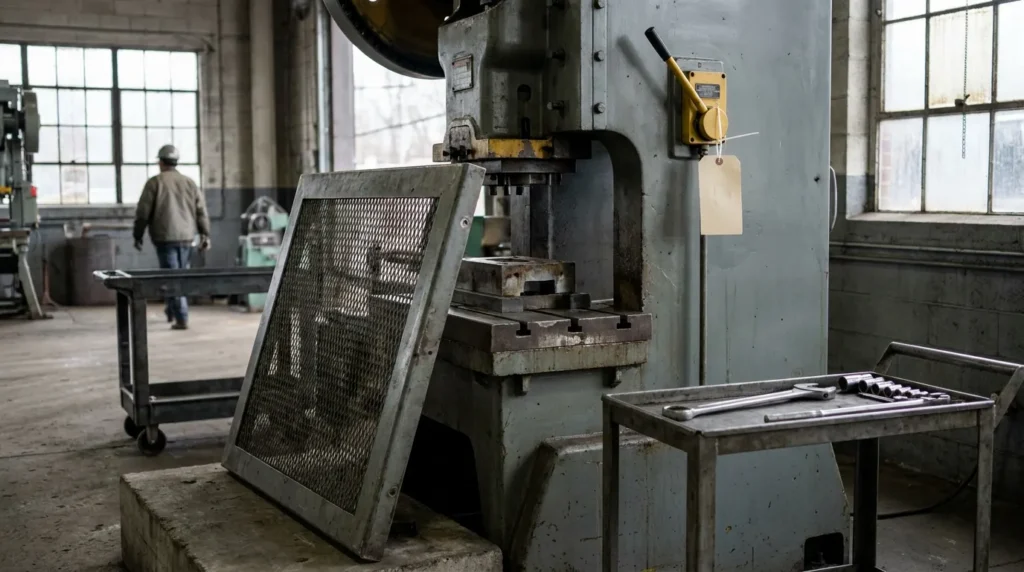
Many injured workers are surprised to learn that a clearly unsafe workplace may still fall short of this standard. A forgotten maintenance task may be careless without being willful. On the other hand, repeated warnings, ignored complaints, or a choice to remove a safety guard to speed up production may point to the knowing or reckless conduct the law requires.
| Type of Conduct | General Description | Effect on Comp Benefits |
|---|---|---|
| Ordinary negligence | Failing to use reasonable care | Generally standard benefits only |
| Gross negligence | Extreme carelessness | Generally standard benefits only |
| Serious and willful misconduct | Knowing or reckless disregard of likely serious injury | Possible 50% increase under § 4553 |
Proving a Serious and Willful Misconduct Claim Based on a Safety Order Violation
Many claims rest on the employer breaking a specific Cal/OSHA safety order, and Labor Code § 4553.1 sets strict rules for those cases. Under Labor Code 4553.1 findings rules, the appeals board must make a specific finding on each listed element. A general finding that the employer was at fault is not enough. So the worker’s evidence usually needs to be detailed and precise.
Element One: The Specific Violation
The WCAB has to state exactly how the employer broke the safety order. Under § 4553.1(1), saying that conditions were "unsafe" is not enough. Workers and their attorneys generally need to name the specific rule and show how the employer failed to follow it.
Element Two: Proximate Cause
The violation has to have proximately caused the injury or death. Section 4553.1(2) also requires the board to explain the specific way the violation caused the harm. A safety violation that existed but played no part in the injury will not support the claim.
Element Three: Knowledge or Reckless Disregard
Section 4553.1(3) requires a finding about a particular named person, meaning the employer or a representative listed in § 4553. The worker can prove this element in one of two ways:
- The named person knew about the safety order and the conditions that made it apply, and broke it.
- The condition was obvious, made serious injury likely, and the named person failed to fix it, which amounted to reckless disregard of the likely results.
💡 Pro Tip: Write down the names of the supervisors or managers who knew about the hazard as soon as you can. Section 4553.1 refers to a "particular named person," so naming the right person can matter as much as naming the hazard.
Filing Deadlines and Practical Challenges
Deadlines for these claims are short and separate from civil lawsuit deadlines. Under Labor Code § 5407, a petition alleging serious and willful misconduct generally has to be filed within 12 months from the date of injury. Confirm this deadline with an attorney, because the facts can affect how it applies. It is also separate from California’s general two-year deadline for personal injury lawsuits. Courts generally read exceptions to filing deadlines narrowly, so do not count on getting more time.
Injured workers often face several hurdles in these cases. Witnesses may still work for the employer and may not want to get involved. Safety inspection records may be incomplete. Employers may also argue that a rank-and-file coworker, not a managing representative, was to blame. Each of these issues depends on the facts, and none of them automatically defeats a claim.
💡 Pro Tip: Ask for a copy of any Cal/OSHA inspection report or citation tied to your accident. A citation does not automatically prove serious and willful misconduct, but it may help show which safety order applied.
Looking Beyond Workers’ Comp for Your Injury
A serious and willful misconduct claim stays within the workers’ comp system, and workers’ comp is generally your only remedy against your employer. But your options may not end there. In some cases, a third party, such as an equipment maker or an outside contractor, may share blame for a workplace injury. That can make a separate civil claim possible. Workers in Newport Beach and throughout Orange County often ask us whether more than one option fits their situation. A serious and willful misconduct claim lawyer can review whether other claims may be available.
Learning the basics before you act can help you protect your rights. You can find more articles on California workers’ comp and workplace injury topics in our library. Your attorney can then apply that general information to your facts.
Frequently Asked Questions
1. How much extra compensation can I receive?
Under Labor Code § 4553, compensation otherwise recoverable may be increased by one-half, plus costs and expenses of up to $250. The actual amount depends on the benefits you qualify for.
2. Does a coworker’s reckless behavior qualify?
Generally, no. The misconduct usually has to come from the employer, its managing representative, or other people named in § 4553.
3. Do I need a Cal/OSHA violation to bring a claim?
No. A safety order violation is a common basis for these claims, but it is not required. If you rely on one, the strict findings in § 4553.1 apply.
4. Can my own misconduct reduce my benefits?
Under Labor Code § 4551, an employee’s serious and willful misconduct may cut compensation by one-half. Key exceptions apply, including cases involving death, permanent disability of 70 percent or more, or the employer’s own safety law violations.
5. Can my employer retaliate for filing this claim?
California law, including Labor Code § 132a, generally bars employers from discriminating against workers who file workers’ comp claims. If you believe your employer has retaliated against you, talk to an attorney about your situation.
Holding Employers Accountable for Dangerous Choices
A serious and willful misconduct claim may raise workers’ comp benefits by 50 percent when an employer knowingly or recklessly ignored serious dangers. To succeed, the worker generally needs specific evidence. In cases based on a safety order, that includes the exact violation, proof that it caused the injury, and proof that a named person knew about it or recklessly ignored it. Deadlines are short, and every case depends on its own facts.
If you were hurt because your employer ignored known hazards, you do not have to sort through these rules alone. Speak with Bisnar Chase by calling 800-561-4887, or schedule your free consultation online.
Disclaimer: This content is for informational purposes only and is not legal advice. Every case is unique, and results may vary. Consult an attorney about your specific circumstances.