


Brian Chase, a leading California auto defect expert and trial attorney at Bisnar Chase Personal Injury Attorneys, represents individuals injured by defective vehicle systems, including advanced collision avoidance technology (CAT). He also educates fellow attorneys on how to identify and pursue these cases against automakers responsible for defective designs or malfunctions.
Understanding Collision Avoidance Technology (CAT)
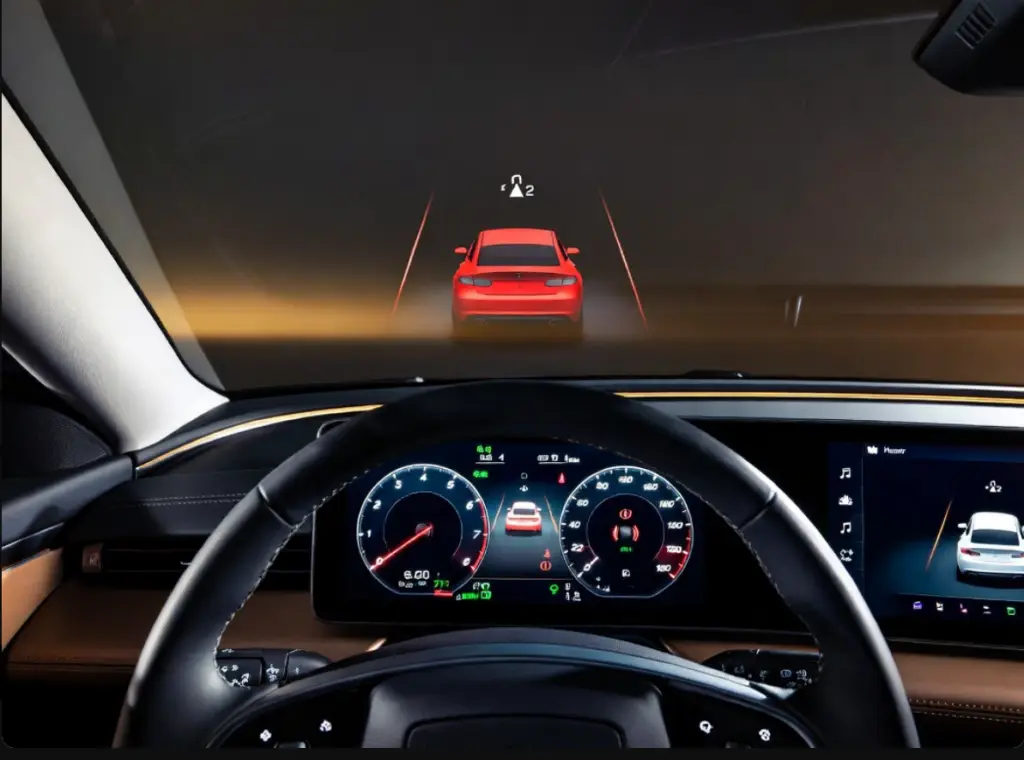
Collision Avoidance Technology (CAT), also known as Advanced Driver Assistance Systems (ADAS), uses sensors, cameras, radar, and processing algorithms to detect potential hazards, such as other vehicles, pedestrians, cyclists, and obstacles. Systems can issue warnings or intervene automatically.
Key features include the following:
· Automatic Emergency Braking (AEB) — Detects imminent collisions, warns the driver, and applies brakes if needed to avoid or mitigate impact.
· Lane Keeping Assist (LKA) and related systems—Help maintain lane position or provide alerts/steering corrections.
While these technologies aim to reduce crashes caused primarily by human error, defects can turn safety features into contributing factors in accidents.
How Defects in CAT Cause or Worsen Injuries
Defects in CAT systems fall into categories that Brian Chase and other product liability lawyers address:
- Malfunction or Failure to Perform: The system may fail to detect a hazard and brake (or steer) when required. Sensor issues, software glitches, calibration errors, or design limitations (e.g., in certain weather, lighting, or with specific objects) can prevent activation. Conversely, “phantom braking” occurs when the system unexpectedly slams on the brakes, potentially causing rear-end collisions or loss of control.
- Design or Manufacturing Defects: Even when equipped, the system may have inadequate performance standards, poor sensor placement, poor camera sensitivity, and/or other vulnerabilities that render it unreliable. Absence of the technology in models where it was feasible and available can also support a design defect claim (failure to equip a known safety feature).
- Related Issues: Not enough warnings about system limits, drivers being able to turn off features without clear alerts, or not being told about problems.
These defects lead to injuries ranging from whiplash and fractures in mitigated-but-still-occurring crashes to catastrophic harm or fatalities in preventable high-speed impacts. Brian Chase emphasizes that attorneys must thoroughly examine the involved vehicles’ CAT systems, as defects can shift or add liability to the automaker beyond the at-fault driver’s insurance.
Insights from Brian Chase on Handling Collision Avoidance Technology Defects
In articles and presentations, Brian Chase describes CAT as an emerging frontier in auto defect litigation. He shares real-world examples to help attorneys spot viable claims against manufacturers. In one case, he took on a motorcyclist who fatally rear-ended another vehicle on the freeway while changing lanes due to an issue with his own motorcycle. Dashcam video showed the incident.
The striking 2022-model vehicle should have had functional AEB capable of preventing or mitigating the crash, yet the prior attorney settled only for policy limits without pursuing the automaker. Chase is now litigating the product liability aspect.
Chase advises focusing on scenarios such as the following:
- Rear-end collisions (especially where the front vehicle was stopped or slow).
- Intersection or T-bone crashes.
- Incidents involving vulnerable road users, such as motorcyclists, cyclists, or pedestrians.
He recommends investigating all involved vehicles for CAT presence, functionality, and any data logs (e.g., event data recorders) that may reveal whether the system warned, braked, or malfunctioned. Crash-test data (such as from Euro NCAP) can demonstrate what a properly functioning system should achieve at speeds like 30-40 mph.
Brian Chase stresses the dual duty: attorneys owe clients comprehensive advice, including referrals for products cases they don’t handle themselves, and they risk missing strong claims against automakers if they overlook CAT defects. He frequently presents on this topic to help the bar better serve injured parties.
Broader Context and Litigation Trends
Product liability lawsuits involving CAT defects allege that manufacturers placed vehicles with unreasonably dangerous systems (or without them) into the stream of commerce. Examples in the industry include complaints and suits over AEB systems that failed to engage or activated erroneously in models from various makers.
Trucking cases have addressed both system failures and the failure to equip heavy vehicles with available crash-mitigation technology.
NHTSA data and studies (e.g., from IIHS and PARTS) show that well-functioning AEB can reduce rear-end crashes by around 50% in many scenarios, highlighting the gap when defects are present. A federal mandate for AEB on new light vehicles takes effect in 2029, but existing vehicles and transitional designs remain sources of claims.
Why These Cases Matter and Next Steps
Brian Chase’s work underscores that CAT defects are not abstract engineering issues—they directly cause or exacerbate life-altering injuries. Victims deserve accountability from automakers who design, test, and market these systems. For those injured in crashes involving modern vehicles, consulting an experienced auto defect attorney, such as Brian Chase, is key.
Thorough engineering analysis, black box data retrieval, and expert reconstruction can reveal whether a CAT defect played a role, opening the door to recovery beyond standard liability insurance. By shining a light on these cases, Brian Chase helps ensure that defective collision avoidance technology does not escape scrutiny and that injured parties receive the justice and compensation they need.

Brian Chase
Articles, blogs, and content have been reviewed by legal in-house staff. Brian Chase is the managing partner of Bisnar Chase Personal Injury Attorneys, LLP. He is the lead trial lawyer and oversees cases handling dangerous and defective products that injure consumers. Brian is a top-rated injury attorney with numerous legal honors and awards for his work relating to auto defects and dangerous products. His firm has recovered over $1B for its clients. Brian is a frequent speaker for CAOC, Dordick Trial College, and OCTLA, covering personal injury trial techniques.