


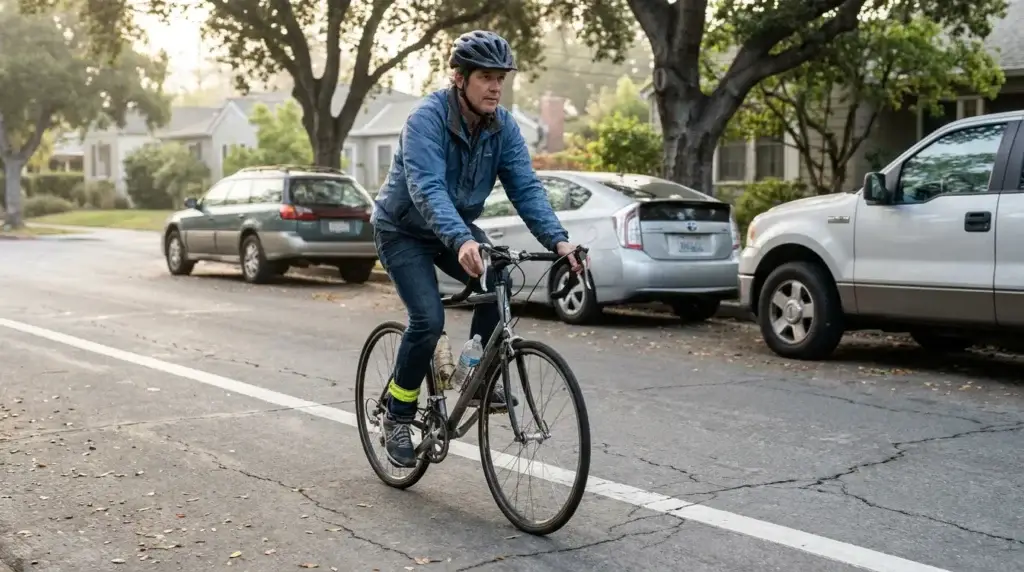
Riding Without a Helmet Does Not Erase Your Right to Compensation
Key Takeaways: Yes, in most cases you may still be able to recover damages after a bicycle accident in California even if you weren’t wearing a helmet, because adults on regular bicycles generally have no legal duty to wear one. Riders and passengers under 18, and anyone riding a class 3 e-bike, must wear a helmet. In those cases the defense may argue negligence per se, but it generally still has to prove that the violation caused the harm. Under California’s pure comparative fault rule, not wearing a helmet may reduce your compensation, but it generally does not bar it completely. Any reduction should generally apply only to injuries a helmet could have prevented or lessened, such as head injuries, and not to fractures, spinal injuries, or road rash. The driver’s negligence is often still the main issue. Act quickly. You generally have two years to file a personal injury lawsuit, and a claim against a government entity often must be filed within six months.
In most cases, yes: a cyclist hurt by a negligent driver in California may still be able to recover damages even without a helmet. California has no helmet law for adults on regular bicycles. Under California’s pure comparative fault rule, an insurer may argue that a helmet would have made a head injury less severe, but that argument generally reduces a claim. It does not typically end it. The most important question is usually who caused the crash.
Every case turns on its own facts, so talking with a lawyer early can help protect your claim. Bisnar Chase offers free consultations to injured cyclists across Newport Beach and Orange County. Call 800-561-4887 or contact us now to discuss what happened.
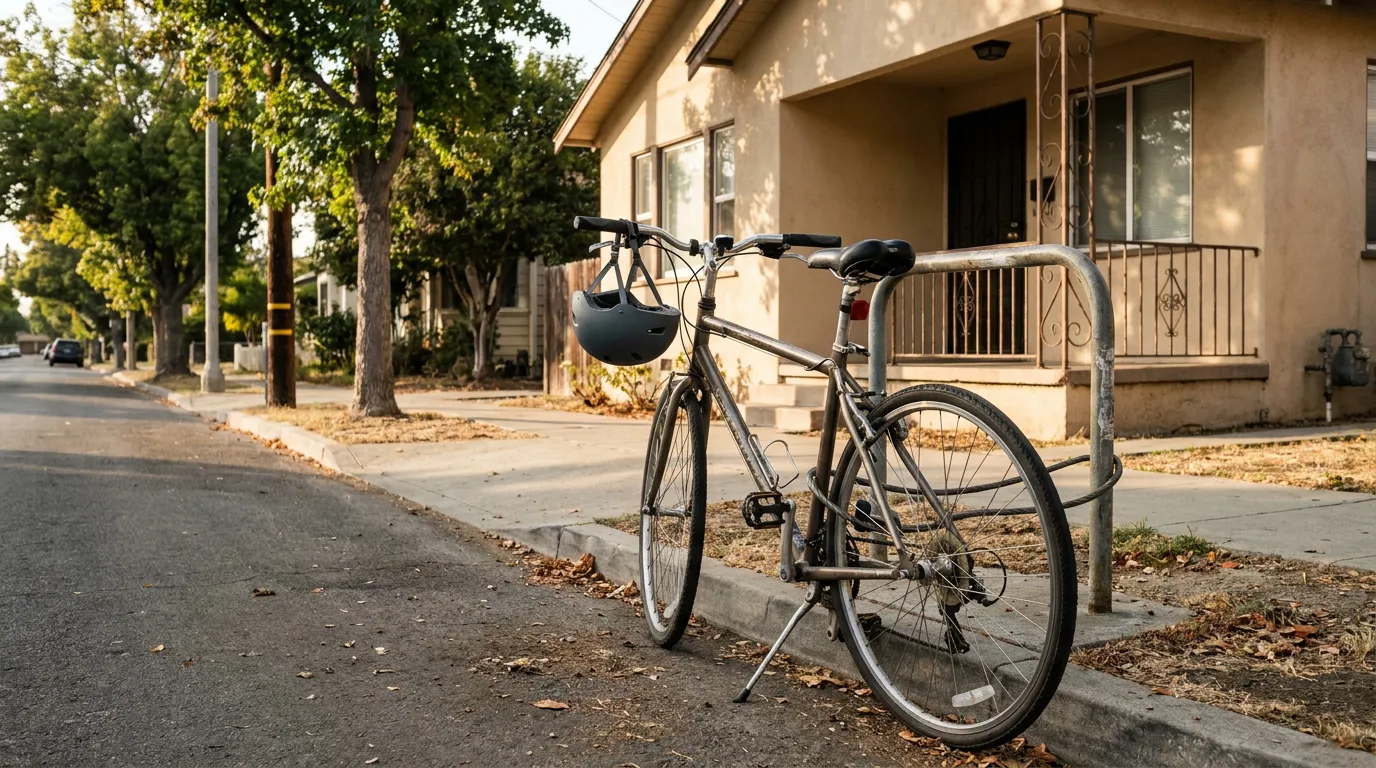
What California Helmet Law Actually Requires
California’s helmet requirement depends on your age and the type of bike you ride. Many injured adults assume they broke the law by riding without a helmet. For adults on traditional bicycles, that is generally not the case. The rules are in the California bicycle operation statutes, and they are narrower than most people think.
Riders and Passengers Under 18
Under California Vehicle Code § 21212(a), a person under 18 may not ride a bicycle on a street, bikeway, or public bicycle path or trail without a properly fitted and fastened helmet, and may not ride as a passenger without one. The helmet must meet ASTM or CPSC standards. The rule also covers children in a bike-mounted child seat or in a trailer towed by a bicycle.
The penalty is deliberately small. A violation is an infraction with a fine of no more than $25, and the parent or guardian is jointly liable for a minor’s fine. A citation may be cleared without a fee if, within 120 days, the parent or guardian shows that the minor now has a compliant helmet and has completed a qualifying bicycle safety course (or an e-bike safety course if an e-bike was involved).
Class 3 E-Bike Riders of Any Age
Class 3 e-bikes are the main exception for adults. Under Vehicle Code § 21213, anyone operating or riding as a passenger on a class 3 electric bicycle (pedal-assist up to 28 mph) must wear a compliant helmet, whatever their age, and riders under 16 may not operate one at all. An adult hurt on a class 3 e-bike without a helmet was breaking a statute. An adult on a regular bicycle was not. That difference can affect how the defense frames its argument.
| Rider | Helmet Required? | Authority |
|---|---|---|
| Adult on a regular bicycle | No | Veh. Code § 21212 (applies only under 18) |
| Rider or passenger under 18 | Yes | Veh. Code § 21212(a) |
| Any rider of a class 3 e-bike | Yes | Veh. Code § 21213(b) |
| Under 16 on a class 3 e-bike | May not operate | Veh. Code § 21213(a) |
How Comparative Fault Affects a Bicycle Accident Without Helmet California Claim
California follows pure comparative negligence. Your compensation may be reduced by your share of fault, but your fault generally does not bar recovery. The California Supreme Court adopted this rule in Li v. Yellow Cab Co. (1975) 13 Cal.3d 804.
In a no-helmet case, the defense generally must do more than point out that you weren’t wearing one. The insurer usually needs evidence, often from medical or biomechanical experts, that a helmet would have prevented or reduced a specific injury. A helmet generally has little or nothing to do with broken legs, spinal fractures, road rash, internal injuries, or shoulder damage. Any reduction should generally apply only to injuries a helmet could have affected.
When Helmet Evidence Carries More Weight
Helmet arguments tend to matter most when the main injury is to the head and the rider was legally required to wear one. For minors and class 3 e-bike riders, the defense may argue negligence per se under Evidence Code § 669. That rule allows a statutory violation to create a rebuttable presumption of negligence, but only if the violation was a substantial factor in causing the injury and the harm was the kind the statute was meant to prevent. For minors, conduct is generally judged against what is reasonable for a child of similar age, intelligence, and experience. Our earlier article on head injuries in unhelmeted riders looks at how often this issue comes up.
💡 Pro Tip: Keep your damaged helmet if you were wearing one, and don’t throw away your bike or clothing either way. The physical evidence can show impact points and speed, which can support or undercut a helmet-causation argument.
The Driver’s Duties Still Come First
A driver’s negligence is usually the central issue, and California law gives cyclists strong protections. Under Vehicle Code § 21200(a)(1), a person riding a bicycle on a highway has all the rights of a vehicle driver and must follow the same rules, except those that by their nature cannot apply to a bicycle. A cyclist’s own traffic violations may be raised as comparative fault.
Specific statutes set out what drivers owe cyclists. Common sources of liability include:
- Unsafe passing: Under the Three Feet for Safety Act, Vehicle Code § 21760, a driver passing a cyclist going the same direction must generally leave at least three feet.
- Dooring: Under Vehicle Code § 22517, drivers and passengers may not open a door into moving traffic unless it is reasonably safe, including in bike lanes.
- Bike lane violations: Drivers who turn across or drift into bike lanes may be fully or partly liable, depending on the circumstances.
- Hit and run: Under § 21200(a)(2), the duties in Vehicle Code § 20001 also apply to cyclists involved in collisions on Class I bikeways (separated bike paths), such as the Santa Ana River Trail.
Coastal Orange County’s busy cycling routes make these duties especially important. Pacific Coast Highway, Bayside Drive, and the roads around Newport Back Bay mix fast traffic with heavy recreational riding. Data from UC Berkeley SafeTREC’s bicycle safety report tracks statewide cyclist injuries and deaths.
What Damages Unhelmeted Cyclists May Recover
Injured cyclists may pursue the same categories of compensation whether or not they wore a helmet. Damages generally include economic losses, such as medical bills, future care, lost wages, and reduced earning capacity, as well as non-economic losses like pain, emotional distress, and loss of enjoyment of life. In a fatal crash, eligible family members may bring a wrongful death claim under Code of Civil Procedure § 377.60.
Any helmet-related reduction generally comes after the full value of the claim is set, and it should apply only to the injuries a helmet would have affected. For example, suppose total damages were $500,000, including $200,000 for a head injury, and a jury found that 25% of the head-injury harm was due to not wearing a helmet. The recovery would generally be $450,000. A Newport Beach bicycle accident lawyer can assess how a helmet argument might apply to your specific injuries.
Deadlines That Could Affect Your Claim
California’s general statute of limitations for personal injury is two years from the date of injury under Code of Civil Procedure § 335.1. If a government entity shares responsibility, for instance because of a poorly maintained road, a much shorter deadline generally applies. Under Government Code § 911.2, an administrative claim usually must be filed within six months, and generally must be completed before you can sue. Limited exceptions exist. For example, the deadline for a minor’s lawsuit against a private party is generally paused until age 18, but that does not extend the government claim deadline. Confirm your deadlines with an attorney right away.
Frequently Asked Questions
1. Will the insurance company deny my claim because I wasn’t wearing a helmet?
Insurers may raise the helmet issue, but California law generally does not bar recovery for unhelmeted adult cyclists. At most, the defense may try to reduce compensation for injuries it can show a helmet would have prevented or lessened.
2. My child was hurt without a helmet. Can we still bring a claim?
Generally, yes. A minor’s helmet violation may be raised as comparative fault, judged by the standard of a reasonable child of similar age and experience, but the at-fault driver may still be held responsible.
3. Does the helmet issue matter if I didn’t hit my head?
In many cases, it should have little or no effect. Defense arguments tying helmet use to fractures, spinal injuries, or soft tissue damage generally lack a causal link.
4. I was on a class 3 e-bike without a helmet. What changes?
You may face a negligence per se argument because § 21213 requires helmets for all class 3 riders. The defense would generally still need to prove the violation caused your injuries.
5. Should I talk to the driver’s insurer before speaking with a lawyer?
It is usually wise to get legal advice before giving a recorded statement. Adjusters may ask about helmet use in ways meant to shift blame.
Protecting Your Recovery After a No-Helmet Crash
A bicycle accident without a helmet in California does not automatically end your claim. Adults on regular bicycles generally have no legal duty to wear one. Minors and class 3 e-bike riders do, but even then, California’s pure comparative fault rule generally allows a reduced recovery rather than none. The driver’s duties, the evidence, and medical proof of what caused each injury usually decide how a case turns out.
Our Newport Beach team is ready to review your crash and explain your options. Reach out to our Newport Beach personal injury attorneys at Bisnar Chase law firm, dial (800) 561-4887, or schedule your free review. Call us today for a free consultation.
Disclaimer: This content is for informational purposes only and is not legal advice. Every case is unique, and results may vary. Consult an attorney about your specific circumstances.